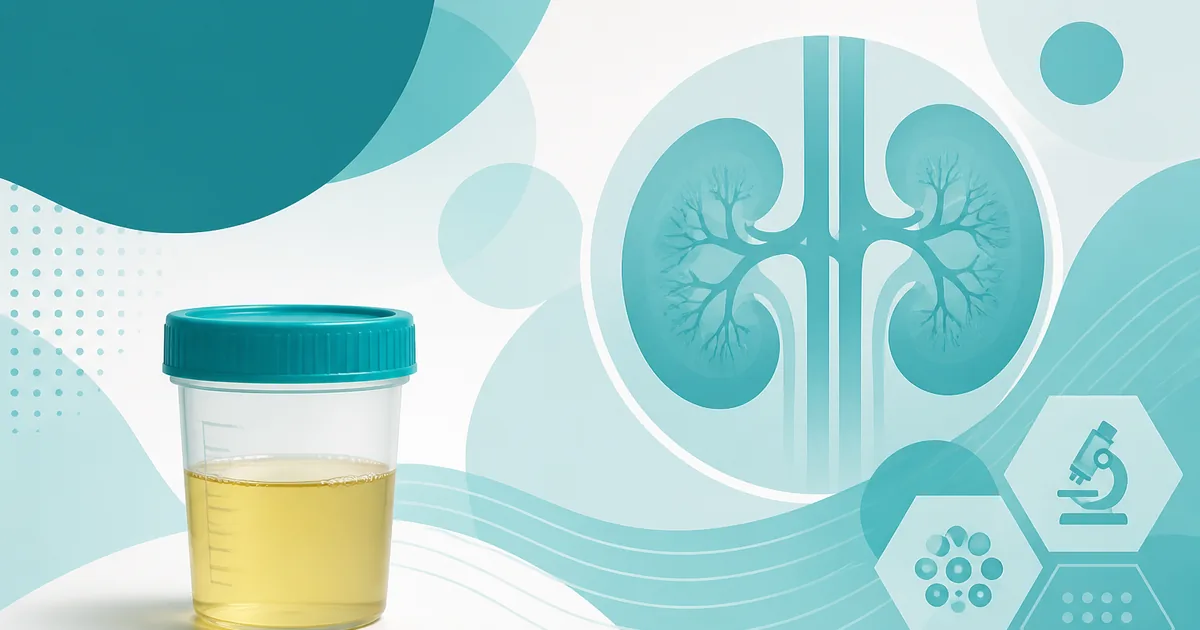
🫘Urine Microalbumin / ACR Test Explained
ACR 45 mg/g on your urine report — microalbuminuria. Learn what the albumin-creatinine ratio measures, why diabetics need annual screening, normal vs micro vs macro cutoffs, morning sample tips, and what to do if results are high.
Scanura Editorial
Health Education Team
Written by Scanura Editorial for health education. This article is not a substitute for advice from a qualified doctor. About our editorial standards
Urine Microalbumin / ACR Test Explained
Your doctor ordered a urine microalbumin test because you have diabetes. The report says ACR 45 mg/g — "microalbuminuria." Creatinine and eGFR look normal. You feel perfectly well. Is your kidney failing?
Microalbumin is the earliest routine sign of kidney stress from diabetes and hypertension — often appearing years before creatinine rises or eGFR drops. The albumin-to-creatinine ratio (ACR) standardises a spot urine sample so you do not need a 24-hour urine collection.
This guide explains what microalbumin and ACR measure, normal vs microalbuminuria vs macroalbuminuria cutoffs (mg/g and mg/mmol), why morning first-void samples matter, links to KFT/creatinine/eGFR monitoring, and what to do if results are high — in the Indian primary care context. See also serum creatinine by age, KFT explained, and eGFR stages.
What Is Microalbumin?
Albumin is a protein made by the liver — normally kept inside blood vessels by healthy kidney filters (glomeruli). When filters leak, small amounts of albumin escape into urine before larger protein loss becomes obvious.
| Term | Meaning |
|---|---|
| Albuminuria | Any albumin in urine above normal |
| Microalbuminuria | Small excess — early stage; not visible on dipstick |
| Macroalbuminuria | Large excess — may show on routine dipstick as "protein +" |
| Microalbumin test | Sensitive assay detecting low albumin levels |
"Micro" refers to amount, not a different protein. It is early-warning albumin, not a separate molecule.
What Is ACR (Albumin-Creatinine Ratio)?
A spot urine sample's albumin concentration varies with how dilute the urine is — someone who drank three glasses of water may falsely look low; concentrated morning urine may look high.
ACR normalises albumin to urine creatinine:
| Component | Role |
|---|---|
| Urine albumin | How much protein is leaking |
| Urine creatinine | How concentrated the sample is |
| ACR | Albumin ÷ creatinine — comparable across samples |
Units — mg/g vs mg/mmol
Indian labs use mg/g (milligrams per gram) most often. International reports may use mg/mmol.
| Category | mg/g (common in India) | mg/mmol (approximate) |
|---|---|---|
| Normal | <30 | <3 |
| Microalbuminuria | 30–300 | 3–30 |
| Macroalbuminuria | >300 | >30 |
Always read the units and reference range on your report — do not convert mentally unless you know the lab's scale.
Why Diabetics and Hypertensive Patients Need This Test
Kidney disease in India is driven largely by type 2 diabetes and uncontrolled blood pressure. Damage starts silently:
| Stage | Blood Creatinine / eGFR | Urine Albumin |
|---|---|---|
| Early | Often normal | Microalbuminuria — ACR 30–300 |
| Moderate | Creatinine may rise; eGFR 45–60 | Persistent albuminuria |
| Advanced | High creatinine; low eGFR | Macroalbuminuria, nephrotic-range possible |
Annual ACR screening is standard for type 1 diabetes after puberty and for type 2 diabetes from diagnosis. Hypertensive patients with metabolic risk also benefit.
If you only check creatinine yearly, you may miss the treatable window when ACE inhibitors/ARBs and glucose control can still slow progression.
Related: eGFR explained, creatinine guide.
How to Collect the Sample — Morning First Void
Correct collection reduces false positives from exercise, infection, and dilution.
| Step | Recommendation |
|---|---|
| Timing | First morning void — most concentrated, standardised |
| Type | Clean-catch midstream urine |
| Avoid | Collection immediately after heavy exercise |
| Avoid | Testing during UTI or fever — repeat when well |
| Menstruation | Women — avoid collection during active bleeding |
| Hydration | Do not over-drink water right before — extreme dilution lowers albumin concentration |
Many Indian labs accept a random spot sample if morning is impractical — ACR still works, but repeat abnormal results should use morning first void when possible.
Interpreting Your Result
Normal (ACR <30 mg/g)
Kidneys are not showing significant albumin leak on this test. Continue annual screening if diabetic. One normal test does not guarantee lifelong protection — trends matter.
Microalbuminuria (ACR 30–300 mg/g)
Early diabetic kidney disease (DKD) or hypertensive kidney stress until proven otherwise.
| What It Means | What It Does NOT Mean |
|---|---|
| Higher cardiovascular and kidney risk | Immediate dialysis |
| Need tighter glucose and BP control | Normal creatinine means "ignore it" |
| Often reversible or stabilisable early | Permanent damage already done in every case |
Confirm with repeat testing — two of three collections over 3–6 months showing ACR ≥30 mg/g defines persistent albuminuria (KDIGO framework). One spike after uncontrolled glucose or UTI does not equal CKD.
Macroalbuminuria (ACR >300 mg/g)
Significant protein leak — nephrology referral, aggressive BP/diabetes management, and full KFT including eGFR. May correlate with visible frothy urine but not always.
Causes of High ACR Beyond Diabetes
| Cause | Notes |
|---|---|
| Hypertension | Often overlaps with diabetes |
| UTI / kidney infection | Repeat after treatment |
| Heart failure | Can raise urine albumin |
| High protein diet (extreme) | Usually minor effect vs disease |
| Strenuous exercise | Transient rise — retest rested |
| NSAIDs | Diclofenac, ibuprofen worsen kidney leak |
| Other glomerular disease | Needs nephrology workup |
What to Do If ACR Is High
Step 1 — Confirm and Repeat
| Action | Why |
|---|---|
| Repeat ACR in 3 months | Rule out transient causes |
| Morning sample, no UTI | Standardise |
| Simultaneous blood glucose / HbA1c | Assess diabetes control |
| KFT with creatinine and eGFR | Baseline kidney function — KFT guide |
Step 2 — Optimise Blood Pressure and Glucose
| Target Area | Typical Goal (individualised) |
|---|---|
| HbA1c | Often <7% — discuss with endocrinologist |
| Blood pressure | Often <130/80 if albuminuria — on your doctor's advice |
| Salt intake | Reduce packaged foods, pickles, restaurant gravies |
| Home BP monitoring | Twice daily during titration |
Step 3 — Kidney-Protective Medicines
Doctors often prescribe ACE inhibitors (e.g. ramipril, enalapril) or ARBs (e.g. telmisartan, losartan) when ACR is persistently elevated — they lower protein leak and protect kidneys in addition to BP control.
| Important | Detail |
|---|---|
| Prescription only | Never start/stop without doctor |
| Monitor creatinine and potassium | Small creatinine rise initially can be expected — recheck in 1–2 weeks |
| Avoid in pregnancy | ACE/ARB contraindicated — obstetric care |
| SGLT2 inhibitors | Modern diabetes drugs with proven kidney benefit in select patients — specialist discussion |
Step 4 — Lifestyle
| Do | Don't |
|---|---|
| Maintain healthy weight | Daily NSAID painkillers |
| Moderate protein — not extreme high-protein fad | Unregulated "kidney tonic" herbs |
| Regular walking / activity | Smoking |
| Annual eye + foot + kidney review for diabetics | Skip retests because you feel fine |
Step 5 — Referral Thresholds
| Situation | Referral |
|---|---|
| Persistent ACR >30 despite 6 months optimisation | Nephrologist |
| ACR >300 | Nephrologist promptly |
| Falling eGFR + albuminuria | Urgent nephrology |
| Blood in urine, low complement, rapid rise | Exclude non-diabetic glomerular disease |
ACR vs 24-Hour Urine Protein
| Method | Pros | Cons |
|---|---|---|
| Spot ACR | Convenient; standard for diabetes screening | Affected by hydration if not ratio-corrected |
| 24-hour urine protein | Quantifies total daily loss | Cumbersome — collection errors common |
| Dipstick protein | Cheap, instant | Misses microalbuminuria — negative dipstick ≠ safe |
For Indian outpatient practice, ACR on spot urine is the workhorse screening test.
Reading ACR With Creatinine and eGFR
| Creatinine / eGFR | ACR | Interpretation |
|---|---|---|
| Normal eGFR, ACR 40 | Early kidney stress — act now | Most modifiable stage |
| eGFR 55, ACR 80 | Stage 3 CKD with albuminuria — high risk | Aggressive management |
| eGFR 30, ACR 500 | Advanced disease | Nephrology-led care |
| Normal eGFR, ACR normal | Reassuring but retest yearly | Does not replace diabetes control |
See eGFR stages for stage numbers.
When to Worry — Urgent Signs
Microalbuminuria itself is not an emergency. Seek urgent care for:
| Symptom | Concern |
|---|---|
| Not passing urine, severe swelling, breathlessness | Fluid overload / acute kidney injury |
| Frothy urine + sudden leg swelling + BP very high | Nephrotic syndrome workup |
| Burning urine, fever, flank pain | Infection — treat before interpreting ACR |
| Creatinine jumped suddenly | AKI — stop nephrotoxins, hospital review |
How scanura Helps
Diabetes annual panels scatter HbA1c, KFT, lipid, and urine ACR across multiple PDF pages. Upload the full set to scanura or scanura for plain English or Hindi explanation of ACR, creatinine, eGFR, and glucose together — so you see whether your kidneys are still in the silent early stage or need nephrology referral.
Key Takeaways
- Microalbumin detects early kidney leak — often before creatinine or eGFR become abnormal.
- ACR (albumin-creatinine ratio) standardises spot urine — normal <30 mg/g (<3 mg/mmol).
- Microalbuminuria is 30–300 mg/g — confirm with repeat tests over 3–6 months before labelling persistent disease.
- Every diabetic needs annual ACR screening — not just creatinine.
- First morning clean-catch sample gives the most reliable screening result.
- Tight glucose, BP control, and ACE/ARB medicines can stabilise or reduce albumin leak when started early.
- Macroalbuminuria (>300 mg/g) or falling eGFR needs nephrology referral — do not wait for symptoms.
- Upload urine ACR + KFT to scanura to track kidney markers alongside HbA1c across checkups.
Disclaimer: This article is for educational purposes only. scanura does not provide medical diagnosis. Always consult your doctor for medical decisions.
Medical References
Step-by-Step Guide
- 1
Collect first morning clean-catch urine
Midstream sample after first void gives the most standardised ACR result.
- 2
Read ACR units on your report
Normal is <30 mg/g (<3 mg/mmol); microalbuminuria is 30–300 mg/g.
- 3
Repeat abnormal results over 3–6 months
Two of three elevated ACR values define persistent albuminuria — one spike is not CKD.
- 4
Check KFT with creatinine and eGFR
Albumin can rise years before blood creatinine — read both together.
- 5
Tighten glucose and blood pressure control
Early ACR elevation is most treatable with diabetes and BP optimisation.
- 6
Discuss ACE inhibitor or ARB with your doctor
Kidney-protective medicines reduce protein leak when started early — prescription only.
📬 One health report guide, every week
Normal ranges, what your values mean, and what to ask your doctor — in plain language. Free, unsubscribe anytime.