🧠Restricted Eating Hours and Brain Health: What Science Says
Eating within a fixed daily window — not just what you eat — may affect memory, focus, and long-term brain ageing. Here's how time-restricted eating works and what the evidence actually shows.
Scanura Editorial
Health Education Team
Written by Scanura Editorial for health education. This article is not a substitute for advice from a qualified doctor. About our editorial standards
Restricted Eating Hours and Brain Health: What Science Says
You have probably heard that what you eat shapes your health. A growing body of research suggests when you eat may matter just as much — especially for the brain.
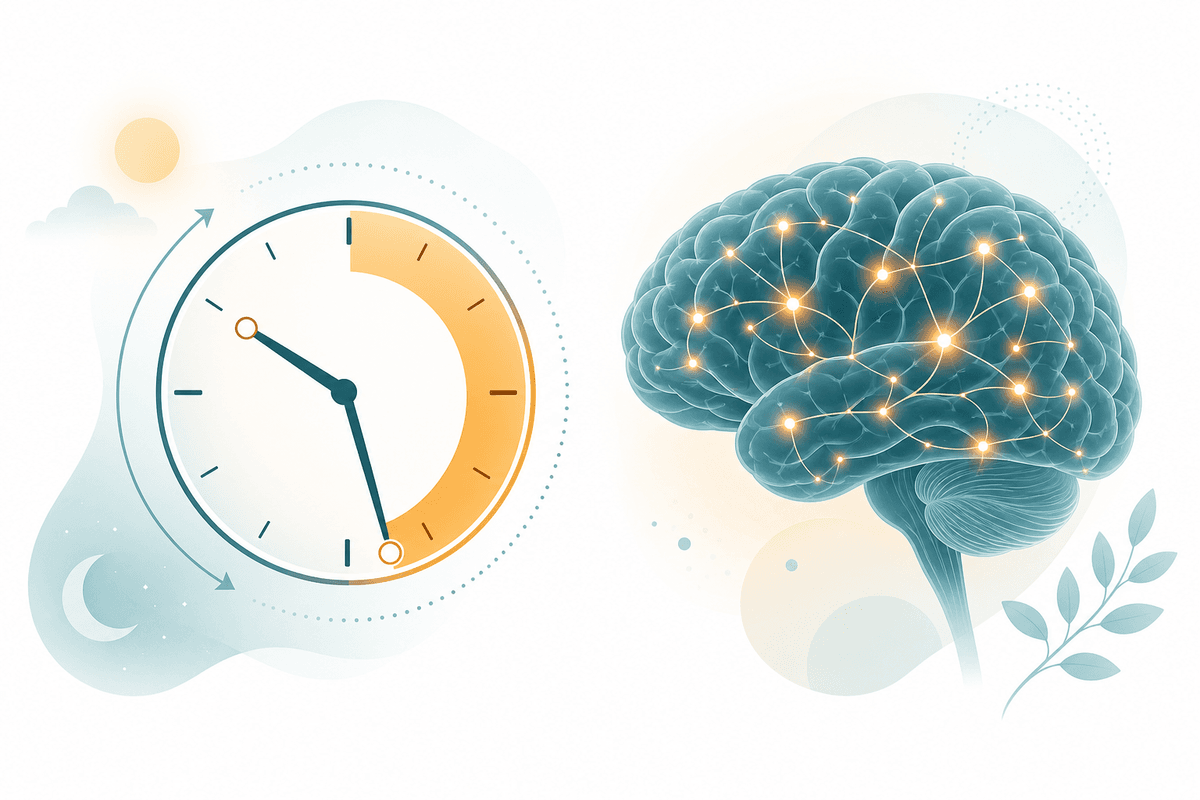
Restricted eating hours (also called time-restricted eating, or TRE) means confining all calorie intake to a fixed daily window — for example, eating only between 10 a.m. and 6 p.m., then fasting for the remaining 16 hours. Unlike some fasting plans, classic TRE does not necessarily cut total calories; it shifts timing.
Why would the clock affect your brain? Because nearly every cell in your body — including neurons — runs on a circadian rhythm. Food is one of the strongest signals that sets that rhythm. Eating at midnight tells your brain and liver something very different from eating at noon.
This guide explains how restricted eating hours may influence memory, focus, mood, and long-term brain ageing; what human studies actually show (and where they disagree); practical windows that work for Indian lifestyles; and who should not try this without medical supervision.
What Is Time-Restricted Eating?
Time-restricted eating limits when you eat, not always how much.
| Term | Meaning |
|---|---|
| Eating window | Hours per day when you consume calories |
| Fasting window | Hours without calories (water/tea usually allowed) |
| 16:8 | 16 hours fast, 8 hours eat — common starting point |
| 14:10 | 14 hours fast, 10 hours eat — gentler entry |
| 12:12 | 12 hours each — closest to traditional meal spacing |
Important distinction:
- Time-restricted eating (TRE) — daily eating window, calories optional
- Intermittent fasting (IF) — broader term; may include alternate-day fasting, 5:2 diets, or prolonged fasts
- Calorie restriction (CR) — eating fewer calories every day regardless of timing
Brain benefits in research may come from timing, calorie reduction, weight loss, improved blood sugar, or a combination. Studies do not always separate these cleanly.
How Your Brain Reads the Clock
Your brain coordinates body clocks through the suprachiasmatic nucleus (SCN) in the hypothalamus — a master pacemaker synced mainly by light. But peripheral clocks in the liver, gut, fat tissue, and even individual neurons also respond to food intake.
Why late-night eating works against you
When you eat late:
- Insulin sensitivity drops at night — the same meal raises blood sugar more after 8–10 p.m. than at lunch
- Melatonin rises — your brain is preparing for sleep, not digestion
- Gut-brain signalling shifts — hormones like ghrelin and leptin follow circadian patterns
- Sleep quality may suffer — reflux, glucose swings, and lighter sleep affect next-day focus
In India, late dinners (9–11 p.m.), post-dinner sweets, and midnight snacks are common — especially during festivals, weddings, and cricket nights. Restricted eating hours are less about copying a Western trend and more about re-aligning meals with daylight and sleep.
Brain Pathways Researchers Study
Animal studies consistently show that fasting and restricted feeding activate several pathways linked to brain resilience. Human data are more mixed — but the biology is plausible.
1. Brain-derived neurotrophic factor (BDNF)
BDNF is a protein that supports neuron growth, synaptic plasticity, and learning. Age-related BDNF decline is associated with memory problems and higher dementia risk.
- Rodents on intermittent fasting often show higher BDNF and better maze performance
- A 2024 systematic review of human trials found contradictory results: some studies reported higher BDNF, some lower, some no change — depending on fasting type, duration, and population
- Takeaway: BDNF is a promising mechanism, not yet a proven biomarker for brain benefit in people
2. Autophagy and cellular cleanup
During fasting, cells activate autophagy — recycling damaged proteins and organelles. In the brain, this may help clear misfolded proteins linked to neurodegeneration.
Most autophagy evidence comes from animal and cell models. Measuring autophagy in living human brains is difficult. Do not assume a 16-hour fast "detoxes" neurons — the science is early.
3. Insulin, blood sugar, and the brain
The brain depends on glucose but is vulnerable to chronic high blood sugar. Prediabetes and type 2 diabetes raise risk for vascular dementia and may accelerate cognitive decline.
Time-restricted eating often improves fasting glucose and insulin sensitivity — even without intentional calorie cutting. That metabolic shift may protect brain blood vessels over years.
If you track labs, see our guides on fasting blood sugar and HbA1c and managing blood sugar naturally.
4. Neuroinflammation
Low-grade inflammation is linked to depression, brain fog, and neurodegenerative disease. Some fasting protocols reduce inflammatory markers (CRP, IL-6) in overweight adults. Whether that translates to measurable cognitive gain in healthy young people is still unclear.
5. Ketones (during longer fasts)
Extended fasting raises ketone bodies, an alternative brain fuel. Mild ketosis may support mitochondrial function in neurons. Standard daily TRE windows (12–16 hours) may not produce sustained ketosis unless combined with very low carbohydrate intake or longer fasts.
What Human Studies Show About Cognition
Evidence for brain benefits in people is emerging but not definitive.
Promising: mild cognitive impairment (MCI) in older adults
A 2025 pilot randomised trial (BMC Geriatrics) tested 15:9 time-restricted eating (9 hours eating, 15 hours fasting) for 12 weeks in elderly adults with mild cognitive impairment.
Results:
| Outcome | Finding |
|---|---|
| MoCA score (overall cognition) | Improved more in the TRE group vs controls |
| Attention | Significant improvement in TRE group |
| Verbal recognition memory | Significant improvement in TRE group |
| Weight / BMI | No significant difference between groups |
| Adherence | More than 5 days per week on average |
Caveats: Small sample, short duration, single centre. Authors called for larger trials before claiming TRE prevents dementia.
Still, this is among the first RCTs to show short-term cognitive gains from a daily eating window in a clinically relevant ageing population.
Mixed: healthy adults and BDNF
The systematic review cited above analysed 16 human trials on intermittent fasting and BDNF:
- 6 studies: no significant BDNF change
- 5 studies: BDNF increased
- 5 studies: BDNF decreased
- Only 4 studies even measured cognitive performance; results were inconsistent
Bottom line: You cannot assume fasting always raises BDNF or sharpens thinking in healthy middle-aged adults.
Weight loss studies with cognitive secondary outcomes
Many TRE trials focus on weight and metabolic markers. Some show improved executive function or mood as a side benefit — likely mediated by fat loss, better sleep, or improved glucose control rather than fasting alone.
What we still lack
- Large, multi-year RCTs in dementia prevention
- Head-to-head comparisons: TRE vs Mediterranean diet vs exercise for cognition
- Data in Indian populations with high vegetarian diets, shift work, and variable meal timing
- Clear answers on whether benefits require calorie deficit or timing alone
Practical Eating Windows: What Might Work
There is no single "best" window for everyone. Consistency matters more than chasing the shortest fast.
| Pattern | Example schedule | Who it may suit |
|---|---|---|
| 12:12 | 7 a.m. – 7 p.m. | Beginners; families with early dinner culture |
| 14:10 | 8 a.m. – 6 p.m. | Office workers who can finish dinner by 6–7 p.m. |
| 16:8 | 10 a.m. – 6 p.m. | Most studied in metabolic trials; skip late dinner |
| Early TRE (eTRE) | 8 a.m. – 4 p.m. | Strongest circadian alignment; hard socially in India |
Tips for Indian lifestyles
- Move dinner earlier — even 30–60 minutes earlier (8 p.m. instead of 9:30 p.m.) is a meaningful start
- Front-load calories — heavier lunch, lighter dinner; aligns with traditional "king breakfast, prince lunch, pauper dinner" wisdom
- Festival realism — maintain your window on routine days; do not abandon the pattern forever after one late wedding feast
- Chai and coffee — plain tea/black coffee without sugar or milk usually do not break a fast; masala chai with milk and sugar does
- Shift workers — fixed clock-based windows may not fit; focus on consistent intervals between your "days" and protect sleep
- Ramadan / religious fasting — spiritually distinct from TRE; medical supervision is essential if you have diabetes, pregnancy, or kidney disease
What to eat inside the window
The clock is not a licence for refined flour, fried snacks, and sugary drinks. For brain health, prioritise:
- Omega-3 sources — fish, walnuts, flaxseed (especially if vegetarian)
- Colourful vegetables and fruit — polyphenols support vascular brain health
- Adequate protein — dal, eggs, paneer, fish, lean meat for amino acids and satiety
- Whole grains — steady glucose vs white rice spikes (portion size still matters)
- Hydration — dehydration mimics brain fog
Brain Symptoms People Report
Anecdotes are not proof, but they explain why interest is high:
| Reported benefit | Possible mechanism |
|---|---|
| Clearer morning focus | Stable overnight glucose; better sleep |
| Less afternoon slump | Fewer late-night insulin spikes |
| Reduced brain fog | Weight loss, inflammation, or placebo/expectancy |
| Better mood | Improved metabolic health; routine |
| Reported problem | When to pay attention |
|---|---|
| Headache, irritability | Common in first 1–2 weeks; often improves |
| Poor sleep | Eating too late or too little during the window |
| Difficulty concentrating | May signal too aggressive a window or inadequate calories |
| Obsessive food thoughts | Red flag for disordered eating — stop and seek help |
Who Should Be Cautious or Avoid Restricted Eating Hours
Time-restricted eating is not appropriate for everyone. Talk to your doctor first if you have:
| Condition | Why caution matters |
|---|---|
| Type 1 or type 2 diabetes (especially on insulin/sulfonylureas) | Hypoglycaemia risk during fasting |
| Pregnancy or breastfeeding | Increased calorie and nutrient needs |
| History of eating disorders | Fasting can trigger relapse |
| Underweight or malnutrition | Unintended weight loss |
| Advanced kidney or liver disease | Protein and fluid balance need individual plans |
| Adolescents | Growing brains need regular nutrition |
| Elderly with frailty | Risk of muscle loss without adequate protein |
Medicines taken with food (some thyroid tablets, NSAIDs, iron) need timing advice — do not skip doses or take on an empty stomach against your prescription label.
Restricted Eating vs Other Brain-Healthy Habits
No eating window replaces fundamentals:
| Habit | Evidence strength for brain health |
|---|---|
| Regular aerobic exercise | Strong — increases BDNF, blood flow, sleep quality |
| 7–8 hours sleep | Strong — memory consolidation, glymphatic clearance |
| Mediterranean-style diet | Strong in observational and some RCT data |
| Social connection and learning | Strong for cognitive reserve |
| Blood pressure and lipid control | Strong for vascular dementia prevention |
| Time-restricted eating | Moderate and growing — best data in metabolic syndrome and MCI so far |
Think of restricted eating hours as a possible add-on, not a substitute for movement, sleep, and medical care of diabetes or hypertension.
Labs Worth Tracking (If You Change Your Eating Pattern)
If you adopt TRE — especially with diabetes risk — periodic labs help you and your doctor see the full picture:
| Test | Why it matters |
|---|---|
| Fasting blood glucose | Short-term glucose control |
| HbA1c | 2–3 month average sugar — see HbA1c guide |
| Lipid profile | Fasting windows sometimes improve triglycerides |
| Vitamin B12 | Critical for nerves and cognition — especially vegetarians; see B12 guide |
| Thyroid panel (TSH) | Weight and energy changes can overlap with thyroid issues |
| Blood pressure | Monitor if you also lose weight or change salt intake |
Upload your reports to scanura for plain-language explanations before your follow-up visit.
Common Myths
"Fasting burns brain cells."
Prolonged starvation is harmful. Daily 12–16 hour overnight fasts in healthy adults are not the same as malnutrition. The concern is real for extreme or prolonged fasts without medical oversight.
"Any 16:8 window works equally."
Early time-restricted eating (finishing dinner by mid-afternoon) may outperform late windows for glucose and blood pressure in some trials — even with identical calories. When inside the day matters.
"I can eat anything if it's within my hours."
Ultra-processed food, excess sugar, and trans fats harm the brain regardless of timing.
"Intermittent fasting prevents Alzheimer's."
No human trial has proven dementia prevention. Animal data are encouraging; long-term human prevention studies are ongoing.
"Skipping breakfast is always bad for the brain."
Children and some metabolically vulnerable adults may need morning fuel. Healthy adults who shift breakfast into a later eating window often adapt — but individual response varies.
A Sensible 4-Week Starter Plan
Week 1: Finish dinner 30 minutes earlier; no food after 9 p.m. Week 2: Narrow to a 12-hour window (e.g., 8 a.m. – 8 p.m.). Week 3: Try 10 hours (e.g., 9 a.m. – 7 p.m.) if comfortable. Week 4: Assess sleep, energy, focus, and any lab changes with your doctor.
Stop or slow down if you feel persistently unwell. Nutrition is personal.
Key Takeaways
- Restricted eating hours confine calories to a daily window — timing may affect brain health through circadian rhythms, glucose control, inflammation, and possibly BDNF.
- Late-night eating is particularly hard on metabolic and sleep-related brain pathways — relevant for India's late-dinner culture.
- A 2025 pilot trial showed cognitive improvements with 15:9 TRE in older adults with mild cognitive impairment — promising but not definitive.
- Human BDNF data are mixed; animal studies are more consistently positive.
- Food quality, sleep, exercise, and medical management of diabetes and blood pressure remain the backbone of brain health.
- Diabetes, pregnancy, eating-disorder history, and frailty require medical guidance before fasting.
- Track fasting glucose and HbA1c if you have metabolic risk — use scanura to understand your reports.
- Start gently (12:12 or 14:10), stay consistent, and prioritise an earlier dinner over heroic long fasts.
Disclaimer: This article is for educational purposes only and is not personalised medical, nutritional, or psychiatric advice. Fasting can be harmful in some conditions. Consult your doctor or a registered dietitian before changing eating patterns — especially if you take glucose-lowering medicines, are pregnant, or have a history of disordered eating. Research on time-restricted eating and brain health is evolving; recommendations may change as larger trials are published.
Medical References
Step-by-Step Guide
- 1
Pick a consistent eating window
Choose an 8–12 hour daily window (for example 9 a.m. to 7 p.m.) and keep it the same on weekdays and weekends when possible.
- 2
Align meals with daylight
Front-load calories earlier in the day. Late-night eating after 9–10 p.m. works against your brain's circadian clock.
- 3
Stay hydrated outside the window
Water, plain tea, and black coffee are usually fine during fasting hours unless your doctor advises otherwise.
- 4
Prioritise food quality inside the window
Whole grains, vegetables, protein, and healthy fats matter more than the clock alone. A narrow window of junk food will not protect your brain.
- 5
Monitor metabolic markers if at risk
If you have diabetes, prediabetes, or take glucose-lowering medicines, check fasting sugar and HbA1c with your doctor before and during any eating schedule change.
- 6
Stop if you feel unwell
Persistent dizziness, severe headaches, mood crashes, or missed periods are signals to pause and seek medical advice — especially if you have a history of eating disorders.
📬 One health report guide, every week
Normal ranges, what your values mean, and what to ask your doctor — in plain language. Free, unsubscribe anytime.