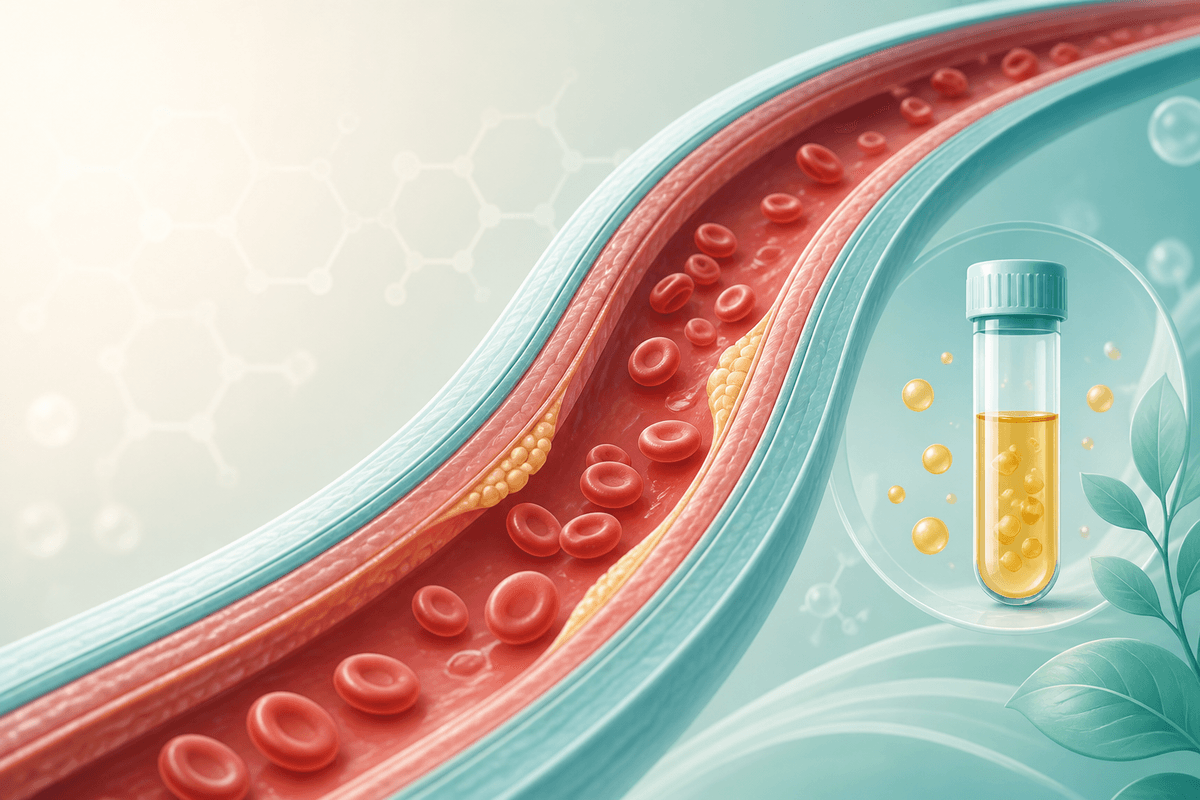
❤️Is an LDL Cholesterol of 41 Good? What Very Low LDL Means
LDL of 41 mg/dL is usually excellent for heart risk — especially on statins or PCSK9 inhibitors. Here’s when very low LDL is a win, when to dig deeper, and what else on your lipid panel still matters.
Scanura Editorial
Health Education Team
Written by Scanura Editorial for health education. This article is not a substitute for advice from a qualified doctor. About our editorial standards
Is an LDL Cholesterol of 41 Good? What Very Low LDL Means
You opened your lipid report, saw LDL 41 mg/dL, and felt two opposite emotions: relief ("that's low") and worry ("is it too low?").
Short answer: for most adults — especially people on cholesterol-lowering therapy or with heart disease risk — an LDL of 41 is generally very good. Guidelines often push high-risk patients toward LDL well under 70 mg/dL. Forty-one sits comfortably in that "aggressive success" zone.
Context still matters: medicines, triglycerides, HDL, ApoB, family history, and symptoms. This guide explains what LDL 41 means, when it is intentional, when to dig deeper, and what else to watch. Related reading: lipid profile explained and cardiac markers beyond cholesterol.
Quick Answer
| Situation | Is LDL 41 good? |
|---|---|
| On a statin / ezetimibe / PCSK9 inhibitor | Usually yes — often the goal |
| Prior heart attack, stent, diabetes, high risk | Usually excellent control |
| No meds, healthy diet, no symptoms | Usually reassuring |
| Unexplained very low LDL + weight loss, diarrhoea, or thyroid symptoms | Ask your doctor to investigate causes |
| Lab error suspicion (result jumps wildly) | Repeat fasting lipid panel |
Typical adult frames (mg/dL, approximate):
| LDL-C | Rough label |
|---|---|
| <100 | Optimal for many average-risk adults |
| <70 | Common target if atherosclerotic disease / high risk |
| <55 | Often used for very high risk in modern practice |
| ~41 | Usually at or better than aggressive targets |
| ≥160 | High for most adults |
Always use your lab’s reference notes and your clinician’s risk category.
Why Lower LDL Is Usually Better for Arteries
LDL (low-density lipoprotein) carries cholesterol into artery walls. Over years, that fuel plaque. Lowering LDL — with lifestyle and, when needed, medicines — is one of the strongest proven ways to cut heart attack and stroke risk.
Modern trials of high-intensity statins and PCSK9 inhibitors often drive LDL into the 20–50 range with cardiovascular benefit, without a clear signal that "too low LDL" suddenly becomes toxic for most patients.
So 41 is not a red flag by default. It is frequently a treatment win.
When LDL 41 Is Especially Reassuring
- You take lipid-lowering therapy — dose is working
- You have diabetes or known artery disease — you are near intensive targets
- Triglycerides and non-HDL also look controlled — broader lipid risk is improving
- Blood pressure and sugar are addressed — LDL is one pillar, not the only one
Upload serial lipid PDFs to scanura to see trends in plain language before your cardiology or GP visit.
When to Ask Extra Questions About Very Low LDL
Very low LDL without medicines is less common. Discuss further if you also have:
| Clue | Possible angle |
|---|---|
| Unintentional weight loss, greasy stools | Malabsorption, gut disease |
| Heat intolerance, tremor, weight loss | Hyperthyroidism |
| Known advanced liver disease | Synthetic/metabolic changes |
| Extreme low-fat / malnutrition pattern | Inadequate intake |
| Strong family pattern of very low LDL | Rare genetic hypobetalipoproteinemia variants — specialist genetics if needed |
These are not the usual story behind LDL 41 on a statin. Do not stop heart medicines because an internet thread said "LDL needs to be higher for hormones." Cholesterol is used for hormones, but clinically meaningful hormone failure from guideline-driven LDL lowering is not the typical patient experience — decide with your doctor.
What Else on the Report Still Matters
LDL 41 does not make the rest of the panel irrelevant.
| Marker | Why check it |
|---|---|
| HDL | Context for overall profile (not a treatment target by itself in the old simplistic way) |
| Triglycerides | High TG still raise pancreatitis and cardiometabolic risk — see triglycerides guide |
| Non-HDL cholesterol | Captures atherogenic cholesterol beyond LDL alone |
| ApoB | Particle number — useful if risk seems higher than LDL suggests |
| Lp(a) | Genetic risk factor independent of LDL |
| HbA1c / BP | Often bigger near-term risks than chasing HDL myths |
Lifestyle Still Counts at LDL 41
Medicines lower LDL; habits protect the whole system:
- Do not restart smoking
- Keep walking / strength work
- Limit ultra-processed snacks and sugary drinks
- Treat sleep apnoea and hypertension if present
- Take statins as prescribed — do not pause after one "perfect" LDL
Myths About LDL of 41
| Myth | Reality |
|---|---|
| "LDL below 50 will destroy your brain" | Major outcome trials do not support scaring people off effective therapy |
| "You need high LDL for testosterone" | Do not abandon proven cardiac therapy based on this claim — ask endocrinology if symptoms exist |
| "LDL 41 means you can eat anything" | Plaque risk also tracks BP, sugar, smoking, inflammation |
| "One lucky low LDL lasts forever" | Missed doses and diet changes move numbers — retest as advised |
Key Takeaways
- LDL 41 mg/dL is generally good — often excellent — especially on treatment or in high-risk care.
- Guideline targets for high-risk patients frequently sit under 70 (sometimes under 55).
- Investigate only if very low LDL is unexplained with concerning systemic symptoms.
- Still manage triglycerides, ApoB/Lp(a) when relevant, BP, and glucose.
- Do not stop statins/PCSK9 therapy without medical advice because LDL "looks too low."
- Decode lipid PDFs with scanura and confirm the plan with your clinician.
Disclaimer: This article is for educational purposes only and is not personalised medical advice. Lipid targets depend on age, prior cardiovascular disease, diabetes, and overall risk. Consult a qualified doctor before changing cholesterol medicines or interpreting a single lab value.
Medical References
Step-by-Step Guide
- 1
Confirm the unit and full lipid panel
LDL is usually in mg/dL. Also note HDL, triglycerides, total cholesterol, and non-HDL or ApoB if available.
- 2
Compare with your risk target
For most high-risk patients, guidelines aim well below 70–100 mg/dL. An LDL of 41 is typically at or better than aggressive targets.
- 3
Note if you take lipid-lowering medicine
Statins, ezetimibe, bempedoic acid, or PCSK9 inhibitors commonly drive LDL into the 30–50 range — often intentional.
- 4
Check symptoms and other labs if unexplained
If LDL is extremely low without medicines or known genetics, ask about nutrition, malabsorption, hyperthyroidism, or liver issues.
- 5
Keep focusing on overall risk
Blood pressure, sugar, smoking, Lp(a), and triglycerides still matter even when LDL looks excellent.
- 6
Review with your clinician
Bring serial lipid reports to your doctor. Upload PDFs to scanura for plain-language decoding before the visit.
📬 One health report guide, every week
Normal ranges, what your values mean, and what to ask your doctor — in plain language. Free, unsubscribe anytime.