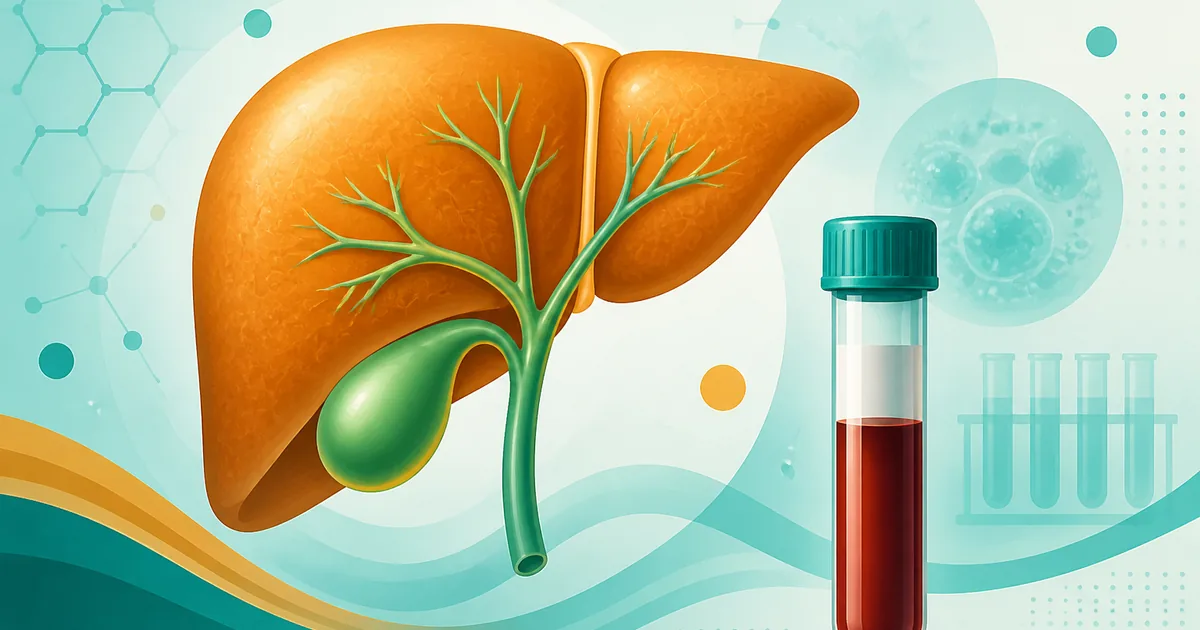
🫀GGT High Means What? Blood Test Explained
GGT on your LFT report is high — but SGPT may be normal. Here's what gamma-glutamyl transferase measures, typical ranges in Indian labs, causes from alcohol to fatty liver, and when bile duct disease is a worry.
Scanura Editorial
Health Education Team
Written by Scanura Editorial for health education. This article is not a substitute for advice from a qualified doctor. About our editorial standards
GGT High Means What? Blood Test Explained
Your liver function test (LFT) report arrived — SGPT looks borderline, ALP is normal, but GGT is printed in bold: 98 U/L when the lab says the upper limit is 40. Maybe your doctor said, "It's probably the alcohol" or "Could be fatty liver." Or maybe GGT is the only enzyme that is high, and you never drink. You wonder: What exactly is GGT? Is this serious? Do I need a scan?
GGT (gamma-glutamyl transferase, also written gamma GT or γ-GT) is a routine part of many LFT panels in India — Thyrocare, Dr Lal PathLabs, SRL, hospital labs, and corporate health packages all include it. Unlike SGPT, which mainly reflects liver cell injury, GGT often points to bile flow, alcohol exposure, and metabolic liver stress. A high GGT is common — and often fixable — but the meaning depends on how high, what else is abnormal on the same report, and your history.
This guide explains what GGT measures, normal ranges in Indian labs, what mild vs marked elevation means, causes from alcohol and fatty liver to bile duct problems and medicines, how GGT compares with ALP and SGPT, and what to do next. For full LFT context, see our liver function test guide, SGPT guide, SGOT vs SGPT guide, and fatty liver grades.
What Is GGT (Gamma-Glutamyl Transferase)?
GGT is an enzyme found in several tissues, but in blood tests it is used mainly as a liver and bile duct marker.
| Feature | GGT |
|---|---|
| Full name | Gamma-glutamyl transferase (gamma GT, γ-GT) |
| Where it lives | Liver cells, bile duct lining, pancreas, kidney, spleen |
| What a high level suggests | Bile flow stress, alcohol effect, metabolic fatty liver, some medicines |
| Typical Indian lab label | GGT, Gamma GT, γ-GT |
GGT helps the body process glutathione — an antioxidant — and plays a role in moving amino acids across cell membranes. When bile ducts are irritated, liver cells are stressed by alcohol or fat, or certain drugs affect the liver, GGT leaks into the blood.
Why Doctors Order GGT
GGT is not always ordered alone. It is usually part of an LFT panel because it adds pattern information:
| Clinical Question | How GGT Helps |
|---|---|
| Is alcohol contributing? | GGT often rises with regular drinking — sometimes before SGPT |
| Is this fatty liver or bile duct disease? | GGT + ALP pattern separates cholestasis from pure cell injury |
| Is a mildly high SGPT "metabolic"? | GGT elevation supports NAFLD/MASLD context |
| Did a medicine injure the liver? | GGT may rise with hepatotoxic drugs |
GGT is more sensitive than specific — many conditions can push it up, and a single high value rarely tells the whole story without the rest of the panel and your history.
GGT Normal Range in India
Reference intervals vary by lab, method, age, and sex. Always read the range printed on your report — do not compare Thyrocare numbers to a hospital lab using a different machine.
| Population | Typical GGT Reference (approximate) |
|---|---|
| Adult men | ~9–48 U/L at many Indian labs; some use up to 55 U/L |
| Adult women | ~9–40 U/L; often lower upper limit than men |
| Older adults | Mildly higher baseline can be normal |
| Children / adolescents | Paediatric ranges differ — use lab-specific limits |
| Pregnancy | Mild rise possible — interpret with obstetric care |
Some international references cite 0–40 U/L as a rough adult ceiling; Indian corporate panels often show 9–48 U/L or 10–50 U/L. If your report says "H" next to GGT at 52 U/L with upper limit 40, that is a mild elevation in context — not automatically an emergency.
How High Is "High"?
Doctors often tier GGT like other liver enzymes:
| GGT Level (rough guide) | Interpretation |
|---|---|
| Just above upper limit (e.g. 45–80 U/L when ULN ~40) | Mild — common with fatty liver, social alcohol, obesity, some medicines |
| 2–3× upper limit (e.g. 80–150 U/L) | Moderate — needs focused workup; review alcohol, drugs, bile duct imaging |
| >3× upper limit (e.g. >150 U/L) | Marked — do not ignore; specialist review, imaging, full hepatitis screen |
| Very high with jaundice + itching | Possible bile duct obstruction or severe cholestasis — urgent evaluation |
Trends matter. GGT that was 38 last year and is 95 this year after a new medicine or increased drinking tells a different story than a stable 55 for five years with normal ultrasound.
What Does a High GGT Mean?
A high GGT means something is stressing the liver–bile system — but it does not name the disease by itself. Think of it as a clue, best read with SGPT, SGOT, ALP, bilirubin, and your symptoms.
Common Patterns on the Same LFT Report
| Pattern | Likely Context |
|---|---|
| GGT ↑, SGPT ↑, ALP normal | Fatty liver, alcohol, medicines — metabolic or toxic stress |
| GGT ↑, ALP ↑, bilirubin ↑ | Bile duct obstruction, gallstones, cholestasis |
| GGT ↑ alone, everything else normal | Early fatty liver, alcohol, obesity, or lab variation — repeat and review lifestyle |
| GGT ↑, SGPT very high, jaundice | Acute hepatitis — viral, drug-induced, or other |
| GGT ↑ with heavy alcohol history | Alcoholic liver stress even if SGPT only mildly raised |
For SGPT-specific reading, see SGPT high means what. For AST/ALT ratio patterns, see SGOT vs SGPT.
Causes of High GGT Common in India
1. Alcohol — Even "Social" Drinking
GGT is one of the most alcohol-sensitive routine liver tests. Regular intake — daily small pegs, weekend bingeing, wedding-season drinking — can raise GGT before SGPT becomes clearly abnormal.
| Drinking Pattern | GGT Behaviour |
|---|---|
| 4–6 weeks abstinence after regular use | GGT often falls significantly |
| Continued drinking with fatty liver | GGT may stay persistently elevated |
| SGOT:SGPT ratio >2 with high GGT | Raises suspicion of alcohol-related liver injury |
Indian context: many patients under-report alcohol at the clinic. If GGT is high, an honest alcohol history helps more than repeating the same test without change.
2. Non-Alcoholic Fatty Liver (NAFLD / MASLD)
India's epidemic of diabetes, central obesity, and high triglycerides makes fatty liver the most common background for elevated GGT in non-drinkers.
- GGT often rises with Grade 1–2 fatty liver on ultrasound
- May be high even when SGPT is only borderline
- Strong link with metabolic syndrome and insulin resistance
Full ultrasound grade explanation: fatty liver Grade 1, 2, 3.
3. Bile Duct and Gallbladder Problems
When bile flow is blocked or sluggish, GGT and ALP often rise together:
| Condition | Typical Clues |
|---|---|
| Gallstones in common bile duct | Right upper pain, jaundice, dark urine, pale stools |
| Primary biliary cholangitis | Itching, fatigue, ALP + GGT disproportionately high |
| Bile duct stricture or tumour | Progressive jaundice, weight loss — needs imaging |
| Post-surgical bile leak | Pain, fever after gallbladder or bile duct surgery |
If ALP and GGT are both high with elevated direct bilirubin, ultrasound abdomen and specialist referral are standard — not "wait and watch" for months.
4. Medicines and Supplements
Many everyday and prescription drugs can raise GGT:
| Category | Examples |
|---|---|
| Anti-seizure drugs | Phenytoin, valproate, carbamazepine |
| Cholesterol medicines | Statins (usually mild) |
| Painkillers / combinations | Long-term paracetamol combinations, some NSAIDs |
| Antibiotics | Rifampicin and others in TB regimens |
| Hormonal / metabolic | Oral oestrogen, methotrexate |
| Herbal / unregulated products | "Liver tonics," weight-loss ayurvedic mixes, bodybuilding supplements |
Never stop prescribed TB or epilepsy medicines without your doctor — but always disclose every tablet and "natural" product you take.
5. Pancreatitis and Related Context
GGT is not a pancreatitis test, but the pancreas and biliary system share anatomy. In practice:
| Scenario | Why GGT May Be Checked |
|---|---|
| Gallstone pancreatitis | Stone passed through bile duct — GGT/ALP may have been high before attack |
| Alcohol-related pancreatitis | Same patient often has high GGT from alcohol affecting liver too |
| Severe abdominal pain + vomiting | LFT including GGT helps assess biliary vs purely pancreatic injury |
Acute pancreatitis diagnosis relies on lipase/amylase, imaging, and clinical exam — not GGT alone. But a high GGT in someone with upper abdominal pain after a heavy meal or alcohol binge prompts bile duct evaluation.
6. Other Causes
Viral hepatitis B or C, autoimmune liver disease, diabetes, smoking, and kidney disease can also affect GGT. Screen for hepatitis if enzymes stay elevated despite lifestyle change.
GGT vs ALP vs SGPT — Comparison Table
This is the table most patients need when staring at an LFT printout:
| Test | Main Meaning | Rises With | Usually Normal When |
|---|---|---|---|
| SGPT (ALT) | Liver cell injury | Fatty liver, hepatitis, medicines, alcohol | Bile duct-only disease early |
| SGOT (AST) | Liver + muscle | Same as SGPT; muscle exercise, heart | Isolated bile obstruction |
| ALP | Bile ducts + bone | Gallstones, cholestasis, growing bone, fractures | Pure fatty liver without cholestasis |
| GGT | Bile flow, alcohol, metabolic liver | Alcohol, fatty liver, bile duct stress, many drugs | Isolated muscle disease |
Pattern Cheat Sheet
| If This Is High… | And This Too… | Think About… |
|---|---|---|
| GGT + SGPT | Normal ALP | Fatty liver, alcohol, medicines |
| GGT + ALP | Raised bilirubin | Gallstones, bile duct obstruction |
| SGPT alone | Normal GGT | Possible — still investigate; GGT not always raised |
| GGT alone | All else normal | Repeat in 4–8 weeks; lifestyle review; ultrasound if persistent |
| Very high SGPT | GGT also high | Acute hepatitis workup |
Deep LFT walkthrough: how to read a liver function test.
Symptoms When GGT Is High
Many people with mildly elevated GGT have no symptoms — the finding comes from a routine health check. When symptoms exist, they reflect the underlying cause: right upper abdomen discomfort (fatty liver, gallstones), jaundice and itching (bile duct obstruction), or fatigue (non-specific). Normal GGT does not guarantee a healthy liver, and high GGT without symptoms still deserves follow-up if moderate or persistent.
What to Do If Your GGT Is High
Step 1 — Read the Full LFT, Not GGT Alone
Pull up SGPT, SGOT, ALP, bilirubin (total and direct), albumin, and prothrombin time if available. Upload the PDF to scanura or visit scanura for a plain English or Hindi breakdown of each line.
Step 2 — Honest Lifestyle Review
| Factor | Action |
|---|---|
| Alcohol | Complete abstinence 4–6 weeks, then retest |
| Weight / waist | Target 5–10% weight loss if overweight — helps fatty liver |
| Diet | Cut fried snacks, refined carbs, sugary drinks; add dal, vegetables, millets |
| Medicines / supplements | List everything for your doctor — including ayurvedic powders |
| Exercise | 150 minutes/week brisk walking plus resistance training |
Step 3 — Repeat Test With Consistent Prep
| Do | Don't |
|---|---|
| Fast 8–12 hours if lab advises | Heavy alcohol night before test |
| Use same lab if comparing trends | Panic over one borderline value |
| Note date of last drink on requisition | Hide alcohol use from clinician |
Repeat GGT in 4–8 weeks after lifestyle change is reasonable for mild isolated elevation. Your doctor may order ultrasound abdomen, hepatitis B/C serology, HbA1c and lipids, or MRCP/CT if bile duct disease is suspected or GGT stays markedly high.
When to Worry — See a Doctor Promptly
Do not wait for the next annual checkup if:
| Red Flag | Why It Matters |
|---|---|
| Jaundice + high GGT/ALP | Bile duct obstruction or severe hepatitis |
| Severe right upper pain + fever + jaundice | Cholangitis — emergency |
| GGT >3× normal and rising on repeat | Needs imaging and specialist workup |
| Unexplained weight loss + appetite loss | Rule out serious hepatobiliary disease |
| Vomiting blood or black stools | GI bleeding — emergency |
| Confusion, swelling, bleeding tendency | Possible advanced liver dysfunction |
| Pregnancy with new jaundice or severe itching | Obstetric and liver emergency evaluation |
For moderate GGT with normal bilirubin and no pain, schedule a gastroenterology or physician visit within 2–4 weeks — not years later.
How scanura Helps
LFT reports pack 8–12 numbers with cryptic abbreviations. Upload your full panel to scanura or scanura to see GGT, SGPT, ALP, and bilirubin explained in plain language — with links to what each pattern usually means — so you walk into your doctor visit with the right questions, not Dr Google panic.
Key Takeaways
- GGT (gamma-glutamyl transferase) reflects bile flow stress, alcohol exposure, and metabolic liver disease — not liver cell injury alone like SGPT.
- Normal GGT varies by lab — many Indian adults use roughly 9–48 U/L; always read your report's printed range.
- Mild elevation is common with fatty liver, social alcohol, obesity, and medicines — often improves with lifestyle change and retesting.
- GGT + ALP + bilirubin rising together suggests bile duct problems — imaging is essential.
- Compare GGT with SGPT and ALP — the pattern matters more than one number in isolation.
- Abstain from alcohol 4–6 weeks and retest if drinking is possible — this is one of the most informative steps.
- Jaundice, severe pain, fever, or GGT >3× normal with worsening trend need prompt medical care — not home monitoring alone.
- Upload your LFT to scanura to track trends across health camps and follow-up visits.
Disclaimer: This article is for educational purposes only. scanura does not provide medical diagnosis. Always consult your doctor for medical decisions.
Medical References
Step-by-Step Guide
- 1
Read GGT with the full LFT panel
Compare SGPT, ALP, and bilirubin — GGT alone rarely tells the full story.
- 2
Check your lab's reference range
Indian labs often use roughly 9–48 U/L for adults; ranges vary by method and sex.
- 3
Review alcohol and medicines honestly
GGT is sensitive to regular drinking and many prescription and herbal products.
- 4
Address metabolic risk if pattern fits fatty liver
Weight loss, diet change, and diabetes control often lower GGT with SGPT.
- 5
Repeat after 4–8 weeks of lifestyle change
Mild isolated GGT elevation often improves — use the same lab when comparing.
- 6
Get ultrasound if GGT + ALP stay high
Bile duct obstruction and gallstones need imaging, not repeated blood tests alone.
📬 One health report guide, every week
Normal ranges, what your values mean, and what to ask your doctor — in plain language. Free, unsubscribe anytime.