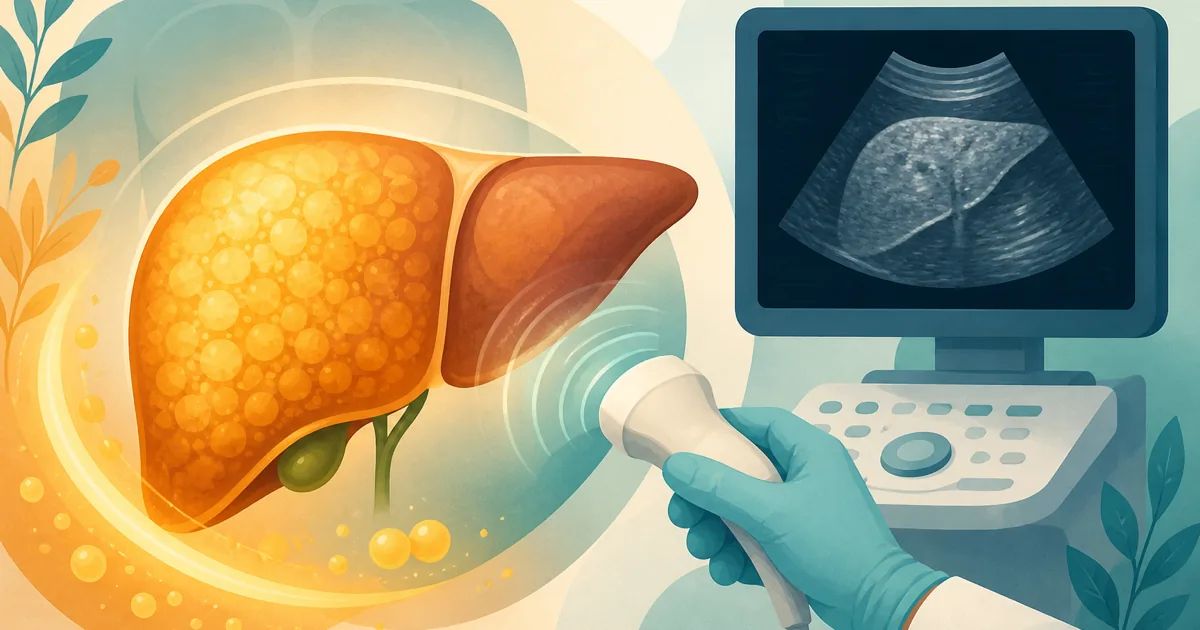
🫀Fatty Liver Grade 1, 2, 3: What It Means + LFT Connection
Ultrasound says Grade 1 or Grade 2 fatty liver and SGPT is mildly high. Common in India — and often reversible. Here’s what each grade means and what actually helps.
Scanura Editorial
Health Education Team
Written by Scanura Editorial for health education. This article is not a substitute for advice from a qualified doctor. About our editorial standards
Fatty Liver Grade 1, 2, 3: What It Means + LFT Connection
Your ultrasound report says "Grade 1 fatty liver" or "Grade 2 hepatic steatosis." The same visit, your doctor also ordered a liver function test (LFT) — and now SGPT (ALT) is 68, or maybe it looks normal despite the scan finding. You wonder: Is this serious? Do I need medicine? Will it become cirrhosis?
Fatty liver is one of the most common ultrasound findings in India today — seen in adults with central obesity, prediabetes, high triglycerides, and sedentary desk jobs. It is often silent until picked up on a health checkup or abdominal scan done for unrelated reasons. The good news: early grades are usually reversible with lifestyle change. The concern: untreated progression can lead to inflammation, fibrosis, and long-term liver damage.
This guide explains NAFLD/MASLD in the Indian context, what ultrasound grades 1, 2, and 3 actually mean, how SGPT/ALT and other LFT values connect to the scan, lifestyle treatment (including the 7–10% weight loss target), alcohol's role, when fibrosis becomes a worry, and what to do next. For deeper LFT reading, see our liver function test guide and SGPT high guide.
What Is Fatty Liver (NAFLD / MASLD)?
Non-alcoholic fatty liver disease (NAFLD) — now often called metabolic dysfunction-associated steatotic liver disease (MASLD) — means fat has built up inside liver cells beyond what is considered normal.
| Term | Meaning |
|---|---|
| Steatosis | Fat accumulation in liver cells |
| NAFLD / MASLD | Fatty liver not primarily caused by heavy alcohol |
| NASH / MASH | Steatosis plus inflammation and liver cell injury |
| Fibrosis | Scarring — the stage that predicts long-term risk |
Fatty liver is a metabolic condition. In India, it frequently travels with:
- Type 2 diabetes and prediabetes
- High triglycerides and low HDL
- Central obesity ("belly fat")
- PCOS in women
- Hypothyroidism
- Metabolic syndrome
It is not the same as alcoholic liver disease — though alcohol can worsen any existing fatty liver.
What Ultrasound Grades 1, 2, and 3 Mean
Indian radiology reports commonly describe fatty liver using a grading system based on how much the liver's echotexture looks "bright" compared to the kidney on ultrasound.
| Grade | Ultrasound Description | Rough Fat Burden |
|---|---|---|
| Grade 1 (Mild) | Slightly increased liver echogenicity; vessels still visible | Mild steatosis — often reversible |
| Grade 2 (Moderate) | Moderate increase; partial obscuring of vessel borders | Moderate steatosis — needs active lifestyle/medical plan |
| Grade 3 (Severe) | Marked increase; poor penetration; diaphragm may be obscured | Severe steatosis — higher risk of inflammation/fibrosis |
Important Nuances
- Grade is subjective — different radiologists may label the same scan differently.
- Ultrasound detects fat — it does not reliably tell you how much inflammation or scarring is present.
- Normal LFT does not rule out fatty liver — many people have Grade 1–2 changes with normal SGPT.
- High SGPT with fatty liver suggests ongoing liver cell stress — worth closer follow-up.
If your report says "fatty liver with hepatomegaly" (enlarged liver), that usually means the liver is both fatty and slightly swollen — still often manageable, but not something to ignore for years.
How Fatty Liver Connects to LFT (SGPT, SGOT, ALP, GGT)
The liver function test measures enzymes and proteins that leak from liver cells or reflect bile flow. Fatty liver and LFT results interact in predictable ways:
| Test | What It Reflects | Typical Pattern in Fatty Liver |
|---|---|---|
| SGPT / ALT | Liver cell injury | Mild–moderate rise (often 1–3× upper limit); key monitoring marker |
| SGOT / AST | Liver + muscle | May rise; AST:ALT > 2 raises suspicion of alcohol-related injury |
| ALP | Bile ducts / bone | Usually normal unless advanced disease |
| GGT | Bile flow, alcohol, obesity | Often elevated in metabolic fatty liver |
| Bilirubin | Processing of old red cells | Usually normal early on |
| Albumin, PT/INR | Synthetic function | Normal until advanced cirrhosis |
What "High SGPT With Fatty Liver" Means
A borderline or mildly elevated SGPT in someone with Grade 1–2 fatty liver usually means metabolic stress on liver cells — not emergency hepatitis. Causes overlap:
- Insulin resistance and high triglycerides
- Rapid weight loss or crash dieting (paradoxically can transiently raise enzymes)
- Certain medicines (steroids, some TB drugs, methotrexate, atorvastatin — discuss with doctor, don't stop on your own)
- Undiagnosed diabetes
- Occult alcohol use
- Co-existing viral hepatitis B or C (still relevant in India — screen once)
For a full walkthrough of each enzyme, see our SGPT guide.
Normal vs Abnormal LFT Ranges (Indian Labs)
Reference intervals vary by lab and method — always read your report's printed range.
| Test | Typical Adult Reference (approximate) |
|---|---|
| SGPT (ALT) | ~7–56 U/L (men), ~7–40 U/L (women) at many Indian labs |
| SGOT (AST) | ~10–40 U/L |
| ALP | ~40–129 U/L |
| GGT | ~9–48 U/L |
| Total bilirubin | ~0.1–1.2 mg/dL |
| Albumin | ~3.5–5.0 g/dL |
| SGPT Level (rough guide) | Significance With Fatty Liver |
|---|---|
| Normal | Fat may still be present — ultrasound picks up fat LFT may miss |
| 1–2× upper limit | Very common — lifestyle intervention is first line |
| >2–3× persistent | Needs structured workup — exclude other hepatitis, review medicines |
| >5× or rising | Do not assume "just fatty liver" — urgent medical review |
Causes of Fatty Liver Common in India
1. Metabolic Syndrome and "Thin Outside, Fat Inside"
Many Indian patients have normal BMI but high waist circumference — sometimes called "thin-fat" phenotype. Visceral fat drives insulin resistance and liver fat even when weight looks acceptable on the scale.
2. Type 2 Diabetes and Prediabetes
Roughly half of people with type 2 diabetes have fatty liver. If your HbA1c is 6.0–6.4% (prediabetes) or higher, liver fat is a common companion. See our blood sugar guide.
3. Diet Patterns
- Frequent fried snacks, refined carbs, late-night meals
- High sugar intake ( chai with multiple spoons of sugar, sweets, packaged juices)
- Low protein, low fibre vegetarian diets heavy on maida and rice portions
- "Healthy" fruit juice overconsumption
4. Sedentary Lifestyle
Desk jobs, long commutes, and low daily step counts are major drivers — independent of diet.
5. Alcohol — Even "Social" Amounts
NAFLD means not primarily alcohol-driven — but regular alcohol (even 2–3 drinks several nights a week) can accelerate progression. Indian social drinking at weddings and festivals adds up.
6. Medications and Herbal Products
Long-term steroids, some anti-TB regimens, and unregulated "liver tonic" or ayurvedic weight-loss mixtures with unknown hepatotoxicity have caused real liver injury. Always disclose supplements to your doctor.
7. Other Liver Diseases (Must Be Ruled Out)
| Condition | Why It Matters |
|---|---|
| Hepatitis B | Endemic in parts of India — one-time screen recommended |
| Hepatitis C | Less common but treatable |
| Autoimmune hepatitis | If enzymes stay high despite weight loss |
| Wilson's disease | Rare; consider in young patients with persistent elevation |
Grade 1 vs 2 vs 3: What Changes in Risk?
| Feature | Grade 1 | Grade 2 | Grade 3 |
|---|---|---|---|
| Reversibility | High with 7–10% weight loss | Good but needs sustained plan | Possible but harder; higher vigilance |
| Typical SGPT | Normal or mildly high | Mild–moderate elevation common | Moderate elevation; check for NASH |
| Fibrosis risk | Low in short term | Moderate over years if untreated | Higher — consider fibrosis assessment |
| First step | Diet, activity, metabolic screen | Same + tighter follow-up | Hepatology/GI review; fibrosis testing |
Fibrosis is the bridge between "fat only" and cirrhosis. Doctors may estimate fibrosis using:
- FIB-4 score (age, AST, ALT, platelets — from blood)
- FibroScan (TE) — non-invasive stiffness measurement, available in many urban centres
- MRI-PDFF / MR elastography — in select hospitals
If you are Grade 2–3 with persistent enzyme elevation, diabetes, or age over 50, ask: "Do I need fibrosis staging?"
What to Do: Evidence-Based Treatment (India-Practical)
There is no approved "fatty liver tablet" for everyone. Lifestyle is the medicine.
1. Target 7–10% Body Weight Loss
This is the most evidence-backed intervention to reduce liver fat and often normalise SGPT.
| Starting Weight | 7% Loss | 10% Loss |
|---|---|---|
| 70 kg | ~5 kg | ~7 kg |
| 85 kg | ~6 kg | ~8.5 kg |
| 100 kg | ~7 kg | ~10 kg |
Slow and steady beats crash diets — rapid starvation can worsen liver enzymes temporarily.
2. Fix the Plate — Indian Diet That Works
| Do More | Do Less |
|---|---|
| Dal, sprouts, chana, rajma, millets (jowar, bajra, ragi) | Maida, white bread, frequent fried pakoras |
| Vegetables at both meals | Sugary chai, mithai, sodas |
| Portion-controlled rice (1 katori, not unlimited) | Late-night heavy dinners |
| Curd/dahi, nuts in moderation | Excess refined oil in home cooking |
| Whole fruits instead of juice | Frequent restaurant/takeaway meals |
3. Move Daily
- 150 minutes/week moderate activity (brisk walking, cycling)
- Add resistance training twice weekly — improves insulin sensitivity
- 8,000–10,000 steps/day is a practical goal for many urban Indians
4. Control Metabolic Numbers
| Target | Why |
|---|---|
| HbA1c < 7% (individualised) | Diabetes control reduces liver fat |
| Triglycerides < 150 mg/dL | High TG strongly linked to steatosis |
| Waist circumference | Men <90 cm, women <80 cm (Asian cutoffs) |
Metformin and GLP-1 medicines may be prescribed for diabetes/obesity — they can help liver fat indirectly. That is a doctor decision, not self-treatment.
5. Alcohol Advice
If you have fatty liver: avoid regular alcohol. For many patients, complete abstinence for 3–6 months during active reversal is reasonable.
6. Medicines That Are NOT Routine
| Medicine | Role |
|---|---|
| Vitamin E | Occasionally considered in biopsy-proven NASH — not for everyone |
| Ursodeoxycholic acid | Not standard first-line for NAFLD |
| "Fatty liver syrups" | No proven benefit — beware |
7. Follow-Up Schedule
| Finding | Typical Follow-Up |
|---|---|
| Grade 1, normal LFT | Lifestyle + repeat LFT in 6 months |
| Grade 2 or raised SGPT | LFT every 3–6 months; metabolic panel; consider FibroScan |
| Grade 3 or falling platelets | Specialist review |
When to Worry
Seek prompt or emergency care if you have fatty liver plus:
| Red Flag | Possible Concern |
|---|---|
| Yellow eyes/skin (jaundice) | Significant liver dysfunction |
| Swollen belly, leg swelling | Fluid retention — advanced liver disease |
| Vomiting blood, black stools | Varices — emergency |
| Confusion, excessive sleepiness | Hepatic encephalopathy — emergency |
| SGPT rising month after month despite weight loss | Other hepatitis, drug injury, NASH progression |
| Platelets low + enlarged spleen on scan | Possible portal hypertension |
| Unintentional weight loss, night sweats | Do not assume fatty liver — need full workup |
Routine Grade 1 with normal enzymes and no symptoms is not an emergency — but it is a wake-up call for metabolic health.
Questions to Ask Your Doctor
- "Is this alcoholic or metabolic fatty liver — or mixed?"
- "Should I be screened for hepatitis B and C?"
- "Do I need HbA1c, lipid profile, and thyroid tests?"
- "Is my SGPT high enough to worry about NASH or fibrosis?"
- "Should I get a FibroScan or FIB-4 calculation?"
- "Can any of my current medicines be affecting my liver?"
How scanura Helps
Upload your ultrasound note and LFT report together to scanura — or use scanura — and see SGPT, SGOT, GGT, bilirubin, and lipid values explained in plain Hindi or English. Understand whether your pattern looks like simple steatosis or something needing specialist follow-up before your next gastroenterology visit.
Key Takeaways
- Fatty liver grades 1, 2, and 3 describe fat on ultrasound — mild to severe steatosis — not scarring by themselves.
- SGPT/ALT can be normal despite fatty liver — but elevated SGPT signals liver cell stress and needs monitoring.
- NAFLD/MASLD is a metabolic disease — central obesity, diabetes, and high triglycerides are core drivers in India.
- 7–10% weight loss is the most effective treatment for early grades — slow, sustainable change beats crash diets.
- Alcohol and herbal supplements can worsen outcomes even when the primary problem is metabolic.
- Grade 2–3 or persistent enzyme elevation warrants fibrosis assessment (FIB-4, FibroScan) and specialist input.
- Screen for hepatitis B/C once — fatty liver is common, but co-infection changes management.
- Jaundice, swelling, confusion, or bleeding are emergencies — not "just fatty liver."
Disclaimer: This article is for educational purposes only. scanura does not provide medical diagnosis. Always consult your doctor for medical decisions.
Medical References
Step-by-Step Guide
- 1
Read grade with LFT together
Ultrasound grade describes fat pattern; enzymes and clinical risk decide urgency.
- 2
Stop alcohol while you reassess
Alcohol worsens fat and enzymes — pause and retest as advised.
- 3
Aim for 7–10% weight loss if overweight
Gradual weight loss is the most proven lifestyle therapy for NAFLD/MASLD.
- 4
Fix sugar and lipids
Prediabetes, diabetes, and high triglycerides often travel with fatty liver.
- 5
Repeat ultrasound/labs on schedule
Improvement shows in enzymes first; imaging changes can take longer.
- 6
Ask about fibrosis risk if grade rises or enzymes stay high
Specialists may use FibroScan or scores — not every Grade 1 needs invasive tests.
📬 One health report guide, every week
Normal ranges, what your values mean, and what to ask your doctor — in plain language. Free, unsubscribe anytime.