🫀How to Read a Liver Function Test (LFT) Report
Got an LFT report with AST, ALT, ALP, bilirubin and more? Here's what each liver enzyme means and when you should be concerned.
Scanura Editorial
Health Education Team
Written by Scanura Editorial for health education. This article is not a substitute for advice from a qualified doctor. About our editorial standards
How to Read a Liver Function Test (LFT) Report
Your liver quietly runs hundreds of jobs: clearing medicines and toxins, making proteins such as albumin, producing bile for digestion, and storing energy. When liver cells are irritated or bile flow is blocked, enzymes and pigments spill into the bloodstream. A Liver Function Test (LFT) — sometimes labelled as a hepatic panel — is how labs capture that signal.
Indian reports often mix older names (SGOT/SGPT) with international ones (AST/ALT). This guide translates the common markers, explains patterns doctors discuss (fatty liver, alcohol-related injury, viral hepatitis, cholestasis), and lists sensible next questions. It is educational, not a diagnosis.
What Usually Appears on an LFT
| Marker | Also written as | Plain idea |
|---|---|---|
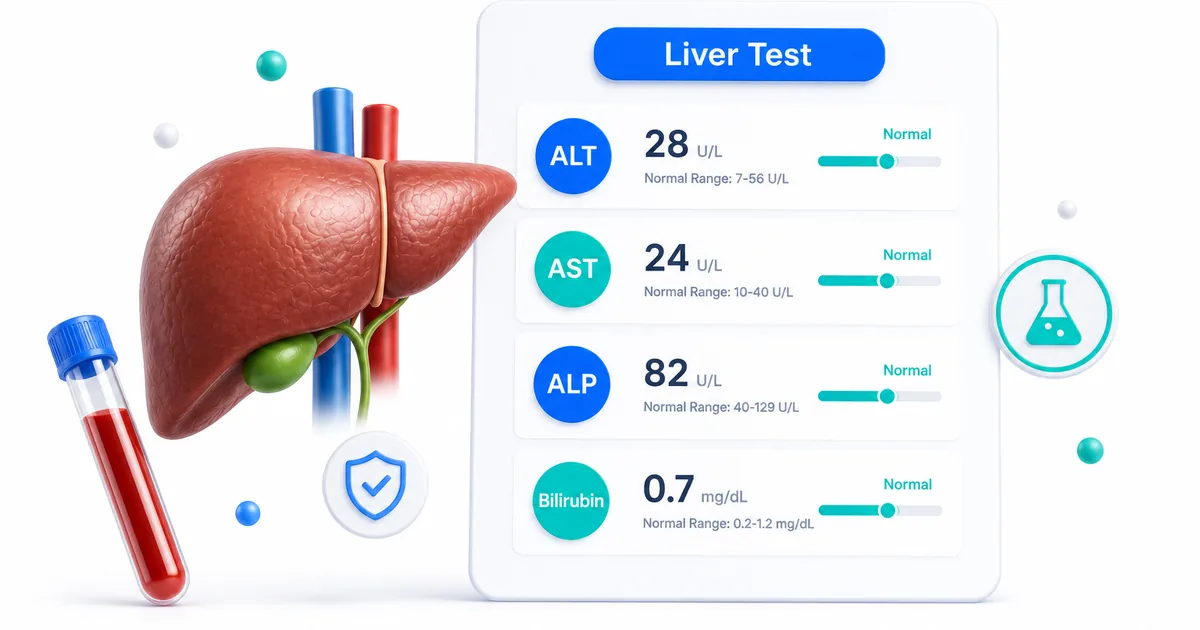
| ALT | SGPT | Enzyme relatively concentrated in liver cells |
| AST | SGOT | Enzyme in liver, muscle, heart — less liver-specific |
| ALP | Alkaline phosphatase | Rises with bile-duct / bone sources |
| GGT | Gamma GT | Helps sort liver vs bone when ALP is high |
| Bilirubin | Total / Direct / Indirect | Pigment linked to jaundice |
| Albumin | — | Protein made by the liver |
| Total protein / Globulin | — | Broader protein picture |
| Sometimes PT/INR | — | Clotting related to liver synthetic function |
Not every package includes GGT or PT/INR. If your doctor is worried about blockage or synthetic function, they may add those tests.
ALT / SGPT — Often the First Flag
| Rough adult range | Educational note |
|---|---|
| About 7 – 56 U/L (lab-dependent) | Mild rises are common; context decides urgency |
| Higher elevations | Can appear in viral hepatitis, drug injury, ischemia — urgent clinical review |
ALT leaks when hepatocytes are injured. Because it is more liver-specific than AST, many fatty-liver and metabolic workups watch ALT closely. A value just above the printed range is not automatically “liver failure.”
Lifestyle factors that commonly nudge ALT upward in urban India include central obesity, insulin resistance, refined-carbohydrate diets, and untreated sleep apnoea — the metabolic package often labelled NAFLD / MASLD.
AST / SGOT and the AST:ALT Ratio
| Rough adult range | Note |
|---|---|
| About 10 – 40 U/L | Also rises with muscle injury or recent strenuous exercise |
Historically, an AST:ALT ratio above ~2 raised suspicion for alcohol-related liver disease, while ratios below 1 were discussed more in fatty liver or viral hepatitis. Ratios are clues, not courtroom evidence — medicines, alcohol history, and imaging matter more.
If you exercised hard the day before testing, mention it; muscle release can lift AST.
Bilirubin and Jaundice
| Total bilirubin (example) | Everyday meaning |
|---|---|
| About 0.1 – 1.2 mg/dL | Often “normal” on adult labs |
| Mild rise | May be Gilbert syndrome, haemolysis, early hepatitis, or lab variation |
| Clear clinical jaundice | Yellow eyes/skin — needs proper medical evaluation |
Direct (conjugated) bilirubin rising with ALP/GGT often points clinicians toward bile-flow problems (stones, obstruction). Indirect predominance can suggest haemolysis or Gilbert’s. Do not self-assign Gilbert’s from one mild bump.
Related: Bilirubin high explained.
ALP, GGT, Albumin
ALP elevates with cholestasis or bone turnover (growth in teens, vitamin D issues, fractures). Pairing with GGT helps: both high → more likely hepatobiliary; high ALP with normal GGT → consider bone causes.
Albumin falls slowly. Low albumin can reflect chronic liver synthetic impairment, kidney protein loss, inflammation, or malnutrition — not a same-day panic button after one viral illness.
Pattern Recognition Doctors Use
| Pattern | Frequently discussed possibilities |
|---|---|
| Mild ALT/AST ↑, normal bilirubin | Metabolic fatty liver, medicines, alcohol, mild viral illness |
| Very high ALT/AST | Acute viral hepatitis, toxic injury (including paracetamol excess), ischemia |
| ALP + GGT ↑, direct bilirubin ↑ | Cholestasis / obstruction — imaging often considered |
| Low albumin + prolonged INR | More advanced synthetic dysfunction — specialist care |
Medicines that can affect LFTs include some antibiotics, anti-epileptics, high-dose paracetamol, certain TB drugs, and anabolic steroids. Always bring a medicine and supplement list.
Fatty Liver: Why It Dominates Indian Checkups
Non-alcoholic fatty liver disease (now often discussed under metabolic dysfunction–associated steatotic liver disease) is widespread in Indian cities. Early stages rarely hurt. Blood tests may show only mild enzyme rises; ultrasound may report “grade 1 fatty liver.”
Progression risk rises with diabetes, obesity, persistent enzyme elevation, and alcohol use. Management usually starts with weight reduction if overweight, glycaemic control, alcohol limits, and follow-up labs — directed by your physician, not by supplement marketing.
Deep dive: SGPT high means what.
How to Prepare and What to Ask
- Confirm whether overnight fasting is required for your package (LFTs alone are not always fasting tests; lipids often are).
- Avoid alcohol for at least 48 hours before testing when possible.
- List all medicines, Ayurvedic/herbal products, and bodybuilding supplements.
- Ask: Do I need ultrasound, hepatitis B/C serology, or fibroscan-type staging?
- Ask: Which abnormalities are likely metabolic vs medicine-related vs needing urgent imaging?
- Ask: When should enzymes be repeated?
Seek urgent care for confusion, vomiting blood, black stools, severe abdominal pain, deep jaundice with fever, or extreme weakness.
Using Scanura With an LFT
Scanura can label which enzymes sit outside typical ranges and help you phrase follow-up questions in Hindi or English. Imaging, antivirals, and alcohol counselling decisions belong with your clinician.
Quick FAQ
Can fatty liver reverse? Mild metabolic fatty liver often improves with sustained weight and metabolic control — your doctor monitors enzymes and risk factors.
Is a slightly high SGPT cancer? Usually not. Cancer is far down the list compared with metabolic and medicine-related causes, but unexplained persistent abnormalities deserve proper evaluation.
Should I start random liver “detox” teas? Many lack evidence; some herbs injure the liver. Ask a doctor before adding anything.
Alcohol, Medicines, and Honest History
Under-reporting alcohol is common and leads to incomplete liver workups. Even “social” drinking plus metabolic fatty liver can compound injury. Likewise, bodybuilding supplements, Ayurvedic products of uncertain provenance, and chronic painkiller use belong on the history sheet.
Imaging ladder (decided by clinicians)
- Ultrasound — fatty liver, duct dilation, stones
- Additional labs — hepatitis B surface antigen, hepatitis C antibody, autoimmune markers when indicated
- Elastography / specialist referral — when staging fibrosis risk matters
Normal enzymes do not always mean zero fibrosis risk in long-standing metabolic disease; your doctor decides who needs staging beyond blood tests.
Recovery expectations
After stopping an offending medicine or improving metabolic health, enzymes may fall over weeks. Persistently rising bilirubin, INR prolongation, or encephalopathy signs are emergencies.
Children, Pregnancy, and Athletes
Paediatric enzyme ranges differ; do not use adult tables for kids. In pregnancy, ALP rises from placental sources — GGT and clinical context help interpretation. Contact sports or heavy lifting can raise AST from muscle; timing the blood draw away from extreme workouts reduces false alarms.
If ultrasound reports fatty liver but enzymes are normal, you may still need metabolic risk management (sugar, lipids, weight). Conversely, high enzymes with a normal ultrasound still deserve a medicine and alcohol review.
Educational only. Scanura does not diagnose liver disease. Lab ranges and clinical thresholds vary.
Medical References
Step-by-Step Guide
- 1
Get a liver function test
Visit a diagnostic lab for an LFT panel. No fasting is typically required, but check with your lab.
- 2
Check SGPT (ALT) levels
Normal range is 7-56 U/L. This is the most specific liver marker. Above 56 U/L indicates liver stress.
- 3
Review SGOT (AST)
Normal range is 10-40 U/L. SGOT/SGPT ratio helps determine cause: ratio <1 suggests fatty liver, >2 suggests alcohol-related.
- 4
Check bilirubin levels
Normal range is 0.1-1.2 mg/dL. High bilirubin causes jaundice (yellow skin and eyes).
- 5
Review ALP and GGT
ALP normal range is 44-147 U/L. If both ALP and GGT are high, it suggests bile duct problems.
- 6
Consult a gastroenterologist
If SGPT is elevated above 200 U/L, consult a gastroenterologist urgently. Use scanura for instant explanations.
📬 One health report guide, every week
Normal ranges, what your values mean, and what to ask your doctor — in plain language. Free, unsubscribe anytime.