🫀HDL Low Means What? How to Raise HDL Cholesterol
HDL flagged as low on your lipid profile? Understand what good cholesterol really means, typical cutoffs for men and women in India, causes from smoking to metabolic syndrome, and evidence-based ways to raise HDL — beyond miracle foods.
Scanura Editorial
Health Education Team
Written by Scanura Editorial for health education. This article is not a substitute for advice from a qualified doctor. About our editorial standards
HDL Low Means What? How to Raise HDL Cholesterol
Your lipid profile shows HDL is 32 mg/dL. LDL is 140. Triglycerides are 180. The report flags HDL as "low." Your doctor says "good cholesterol kam hai" — but what does that actually mean for your heart? Can you fix it with almonds and olive oil alone?
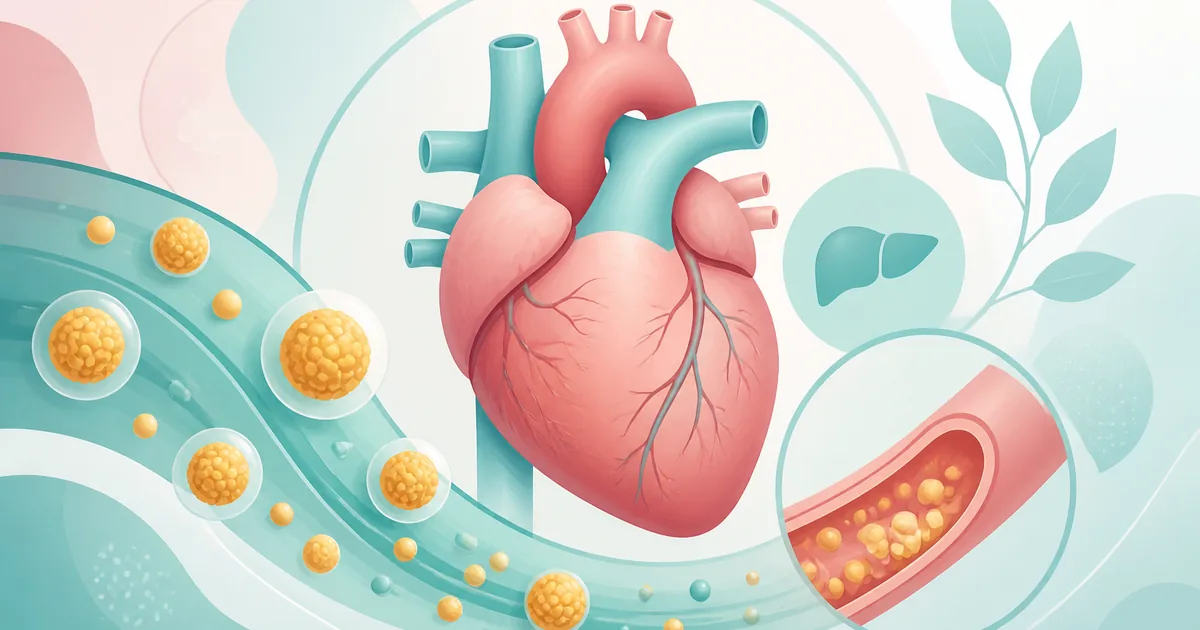
HDL cholesterol is often called "good cholesterol" — but the label oversimplifies a complex story. HDL helps remove cholesterol from artery walls and transport it back to the liver. Higher HDL is generally associated with lower heart disease risk — yet raising HDL with pills has not always translated into fewer heart attacks in trials. What does work: the lifestyle changes that raise HDL often improve LDL, triglycerides, blood pressure, and diabetes together.
This guide explains what low HDL means, typical cutoffs for men and women in India, causes common in Indian patients (sedentary desk jobs, refined carbs, smoking, metabolic syndrome), evidence-based ways to raise HDL, and what not to rely on. For full lipid context, see our cholesterol / lipid profile guide and triglycerides high guide.
What Is HDL Cholesterol?
High-density lipoprotein (HDL) is a particle that carries cholesterol through the blood. Think of it as part of the body's reverse cholesterol transport system — moving excess cholesterol from tissues back to the liver for disposal.
| Feature | HDL |
|---|---|
| Common name | "Good cholesterol" |
| What it reflects | Cholesterol carried in HDL particles — not a direct measure of HDL function |
| Typical Indian lab label | HDL-C, HDL Cholesterol, HDL-C (Direct) |
| Fasting needed? | Usually yes for full lipid panel — 10–12 hours water only |
Why HDL Matters — With Nuance
| Evidence | What It Means for You |
|---|---|
| Low HDL correlates with higher heart risk | Especially when combined with high triglycerides, diabetes, or smoking |
| Very high HDL (>80–90) is not always protective | Some genetic forms don't reduce risk as expected |
| Drugs that raised HDL didn't always prevent heart attacks | Lifestyle and overall risk matter more than chasing one number |
| HDL is one piece of the puzzle | Read it with LDL, triglycerides, blood pressure, HbA1c, smoking, family history |
Do not obsess over HDL alone. A 45-year-old with HDL 38, LDL 160, and diabetes needs a broader plan than someone with HDL 38 and LDL 95 at age 28.
Full lipid reading: cholesterol test explained.
HDL Normal Range — Men vs Women in India
Reference intervals vary slightly by lab method. Most Indian pathology reports use mg/dL.
| Category | HDL Level (mg/dL) | Interpretation |
|---|---|---|
| Low (high risk) | <40 men, <50 women | Associated with higher cardiovascular risk |
| Borderline | 40–49 men, 50–59 women | Improve lifestyle; assess overall risk |
| Desirable | ≥40 men, ≥50 women | Minimum targets on many Indian reports |
| Optimal / protective | ≥60 (both sexes) | Often labelled "protective" on reports |
Some international guidelines use <40 mg/dL for both sexes as low. Indian reports often apply the stricter female cutoff of 50 — if your lab flags HDL 45 for a woman as low, that matches common local practice.
HDL in Context With Other Lipids
| Pattern | Name | Risk |
|---|---|---|
| Low HDL + high triglycerides | Atherogenic dyslipidemia | Very common in India — metabolic syndrome marker |
| Low HDL + high LDL | Mixed dyslipidemia | Needs LDL lowering and lifestyle |
| Low HDL + normal LDL + no other risk | Isolated low HDL | Moderate concern — lifestyle first |
| Low HDL + diabetes | Diabetic dyslipidemia | Aggressive cardiovascular prevention |
Triglyceride detail: triglycerides high causes and treatment.
What Causes Low HDL?
1. Sedentary Lifestyle
India's desk-job epidemic is a major driver. Regular aerobic exercise is one of the most reliable HDL raisers — yet many corporate health check patients walk fewer than 3,000 steps daily.
2. Smoking and Tobacco
Smoking lowers HDL significantly. Bidi, cigarette, and hookah all count. Quitting often raises HDL within weeks to months — alongside massive benefit for lungs and arteries.
3. Excess Weight and Central Obesity
Belly fat (high waist circumference) correlates strongly with low HDL — even when BMI looks "normal" on the weighing scale. Indian "thin outside, fat inside" phenotype is common.
| Waist (approximate Indian cutoffs) | Metabolic Risk |
|---|---|
| Men ≥90 cm | Central obesity — HDL often low |
| Women ≥80 cm | Same |
4. Diet High in Refined Carbohydrates and Trans Fats
Low HDL in India often travels with:
- Frequent maida, white rice overload, fried snacks
- Sugary chai, mithai, packaged juices
- Trans fats from re-heated restaurant oils and some bakery items
- Low fibre, low omega-3 intake
Paradox: very low-fat diets without adequate healthy fats may not optimise HDL — balance matters.
5. Type 2 Diabetes and Insulin Resistance
Diabetes typically produces low HDL + high triglycerides — the classic diabetic dyslipid pattern. Improving glucose control helps the whole lipid panel.
6. Genetics
Familial low HDL exists. Some families run HDL in the 30s despite healthy lifestyles. Medication decisions then depend on overall cardiovascular risk, not HDL alone.
7. Medicines
| Drug Class | Effect on HDL |
|---|---|
| Beta-blockers (some) | May lower HDL slightly |
| Anabolic steroids | Lower HDL |
| Progestin-heavy contraceptives | Can reduce HDL |
Never stop heart or hormone medicines without your doctor — but mention them when interpreting lipids.
8. Alcohol — A Complicated Relationship
Moderate alcohol intake can raise HDL — but medical bodies do not recommend drinking for heart health because of cancer, liver, and addiction risks. In India, where abstinence is common, exercise and weight loss are safer HDL strategies.
How to Raise HDL — What Actually Works
Forget miracle single foods. Sustained lifestyle change moves HDL more reliably than adding a handful of almonds while keeping the rest of life unchanged.
1. Exercise — The Strongest Lifestyle Tool
| Activity | HDL Effect |
|---|---|
| Aerobic exercise (brisk walking, cycling, swimming) | +5–15% HDL over months — most consistent evidence |
| 150 min/week moderate | Standard WHO target — start where you are |
| Vigorous activity (jogging, sport) | May raise HDL more in some people |
| Resistance training | Adds metabolic benefit; combine with cardio |
Practical India goal: 8,000–10,000 steps/day plus 30 minutes brisk walk most days. Evening walks after dinner beat another hour of scrolling.
2. Stop Smoking — Non-Negotiable
Quitting tobacco raises HDL and slashes heart risk independent of HDL. Nicotine replacement, counselling, and prescription aids work — ask your doctor.
3. Lose Weight If Overweight
5–10% body weight loss often raises HDL and lowers triglycerides together.
| Starting Weight | 7% Loss Target |
|---|---|
| 70 kg | ~5 kg |
| 85 kg | ~6 kg |
| 100 kg | ~7 kg |
Waist reduction matters as much as scale weight.
4. Diet Changes That Help — Realistically
| Do More | Do Less |
|---|---|
| Whole grains (millets, brown rice in portion control) | Maida, white bread, frequent fried food |
| Dal, chana, rajma, sprouts | Sugary drinks and excessive mithai |
| Vegetables at both meals | Re-heated restaurant oil |
| Fatty fish if non-vegetarian (rohu, mackerel) | Trans-fat bakery items |
| Handful of nuts (almonds, walnuts) as part of balanced diet | Believing nuts alone fix lipids |
| Olive or mustard oil in moderation | Ghee/butter overload |
No single "superfood" reliably raises HDL by 10+ points. Patanjali-style claims for one herb or seed are not substitutes for exercise and weight management.
5. Manage Diabetes and Blood Pressure
Controlling HbA1c below 7% (individualised) and blood pressure at target improves the lipid milieu. Metformin and some diabetes medicines affect lipids favourably — discuss with your endocrinologist.
6. Medicines — When Lifestyle Is Not Enough
| Situation | Typical Approach |
|---|---|
| High LDL + low HDL + high heart risk | Statin first — lowers LDL; modest HDL effect |
| High triglycerides + low HDL | Fibrates or omega-3 (prescription) in select cases |
| Isolated low HDL, otherwise low risk | Lifestyle 3–6 months before medicating for HDL alone |
Niacin raises HDL but has fallen out of favour due to side effects and limited outcome benefit. Do not self-medicate.
What Does NOT Work Well (Despite Marketing)
| Claim | Reality |
|---|---|
| "Eat only almonds daily" | Healthy snack — not a standalone HDL cure |
| Coconut oil for HDL | May raise HDL slightly but also raises LDL in many people |
| Red wine for heart | Not recommended as medical advice; abstinence is fine |
| Ayurvedic cholesterol "cleansers" without lab follow-up | Unregulated products — retest lipids, disclose to doctor |
| Skipping meals to raise HDL | Can worsen triglycerides |
How Often to Retest
| Scenario | Retest Timing |
|---|---|
| After lifestyle changes | 6–12 weeks — lipids respond slowly |
| After starting statin | 6–8 weeks, then every 6–12 months when stable |
| Annual health check | Minimum if metabolic risk factors present |
| Fasting | 10–12 hours water only — same prep each time |
When to Worry — Beyond the HDL Number
Low HDL alone rarely needs emergency care. Act promptly when:
| Situation | Action |
|---|---|
| LDL very high (>190 mg/dL) | Familial hypercholesterolemia workup — start treatment discussion |
| Triglycerides >500 mg/dL | Pancreatitis risk — urgent medical review |
| HDL low + chest pain, breathlessness on exertion | Cardiac evaluation — do not attribute to lipids alone |
| HDL low + diabetes + smoking + strong family history | Aggressive prevention plan with cardiologist/physician |
| Lipids uncontrolled despite statin | Review adherence, dose, add-on therapy |
Use a 10-year cardiovascular risk calculator (many Indian physicians use ASCVD-based tools adapted locally) — HDL enters the picture but LDL and risk factors drive statin decisions.
How scanura Helps
Lipid reports show 6–10 numbers — total cholesterol, LDL, HDL, triglycerides, ratios — with little explanation. Upload your lipid profile to scanura or scanura for plain English or Hindi breakdown of HDL, LDL, and triglycerides together, so you know whether your pattern looks metabolic, genetic, or mixed — and what to discuss at your next visit.
Key Takeaways
- HDL is "good cholesterol" — it associates with lower heart risk, but raising it with pills alone has not always prevented heart attacks.
- Low HDL is <40 mg/dL in men and <50 mg/dL in women on most Indian reports — read your lab's printed cutoffs.
- Low HDL + high triglycerides is the classic Indian metabolic pattern — fix diet, activity, and weight together.
- Exercise, quitting smoking, and weight loss are the most reliable ways to raise HDL — not miracle foods alone.
- Read HDL with LDL, triglycerides, diabetes, and smoking — overall risk matters more than one number.
- Retest 6–12 weeks after lifestyle change; use consistent fasting prep.
- Statins target LDL first — do not refuse needed treatment because HDL is the only flagged line.
- Upload your lipid profile to scanura to track HDL and triglyceride trends across annual checkups.
Disclaimer: This article is for educational purposes only. scanura does not provide medical diagnosis. Always consult your doctor for medical decisions.
Medical References
Step-by-Step Guide
- 1
Read HDL with your full lipid panel
Check LDL, triglycerides, and total cholesterol together — HDL alone does not define heart risk.
- 2
Know sex-specific cutoffs
Low HDL is typically <40 mg/dL for men and <50 mg/dL for women on Indian reports.
- 3
Start aerobic exercise
150 minutes per week of brisk walking or equivalent is the most reliable HDL raiser.
- 4
Quit smoking and lose belly fat
Both strongly correlate with low HDL in Indian metabolic syndrome patterns.
- 5
Improve diet realistically
Cut refined carbs and trans fats; add whole grains and vegetables — not single superfoods alone.
- 6
Retest in 6–12 weeks
Lipids change slowly — use consistent fasting prep and the same lab when comparing.
📬 One health report guide, every week
Normal ranges, what your values mean, and what to ask your doctor — in plain language. Free, unsubscribe anytime.