🔥CRP and ESR Blood Tests Explained: Inflammation Markers
CRP and ESR show up on almost every infection workup — but what do they actually measure? This guide explains normal ranges, high vs low values, and when inflammation markers need urgent attention.
Scanura Editorial
Health Education Team
Written by Scanura Editorial for health education. This article is not a substitute for advice from a qualified doctor. About our editorial standards
CRP and ESR Blood Tests Explained: What Inflammation Markers Really Mean
When your doctor orders a blood test for "infection" or "inflammation," the report often includes CRP (C-Reactive Protein) and ESR (Erythrocyte Sedimentation Rate). These two markers appear on thousands of reports every day in Indian labs — yet most patients have no idea what they measure, why both are sometimes ordered together, or whether a mildly raised value is dangerous.
This guide explains CRP and ESR in plain language: what they are, normal ranges used in India, what high and low values can mean, how they differ from each other, and when you should worry.
What Is Inflammation — and Why Does Your Blood Show It?
Inflammation is your body's response to injury, infection, or disease. When you have a throat infection, dengue fever, rheumatoid arthritis, or even a healing wound, your immune system releases chemical signals. Some of these signals cause the liver to produce proteins that enter your bloodstream — and CRP is one of the most important.
CRP rises quickly — often within 6–12 hours of an inflammatory trigger — and falls quickly when the problem resolves. Think of it as a real-time inflammation thermometer.
ESR measures how fast red blood cells settle in a test tube over one hour. Inflammation changes proteins in the blood, making red cells clump and sink faster. ESR rises more slowly than CRP and can stay elevated for weeks. Think of it as a slow-moving inflammation record.
Doctors often order both because they complement each other. CRP catches acute problems early; ESR can help track chronic conditions.
CRP (C-Reactive Protein) — Explained
What CRP Measures
CRP is a protein made by your liver in response to interleukin-6 (IL-6) and other inflammatory signals. It binds to damaged cells and helps activate your immune system. Higher CRP = more active inflammation somewhere in your body.
Normal CRP Ranges (India)
| CRP Level | Interpretation |
|---|---|
| Below 1 mg/L | Low cardiovascular risk (hs-CRP) |
| Below 10 mg/L | Normal / no significant inflammation (standard CRP) |
| 10–40 mg/L | Moderate inflammation — infection, autoimmune flare, tissue injury |
| Above 40 mg/L | Marked inflammation — serious bacterial infection, major trauma, severe autoimmune disease |
| Above 100 mg/L | Very high — think severe sepsis, major surgery, fulminant infection |
Note: Labs may report CRP in mg/L or mg/dL. 1 mg/dL = 10 mg/L. Always check the unit on your report.
High-Sensitivity CRP (hs-CRP)
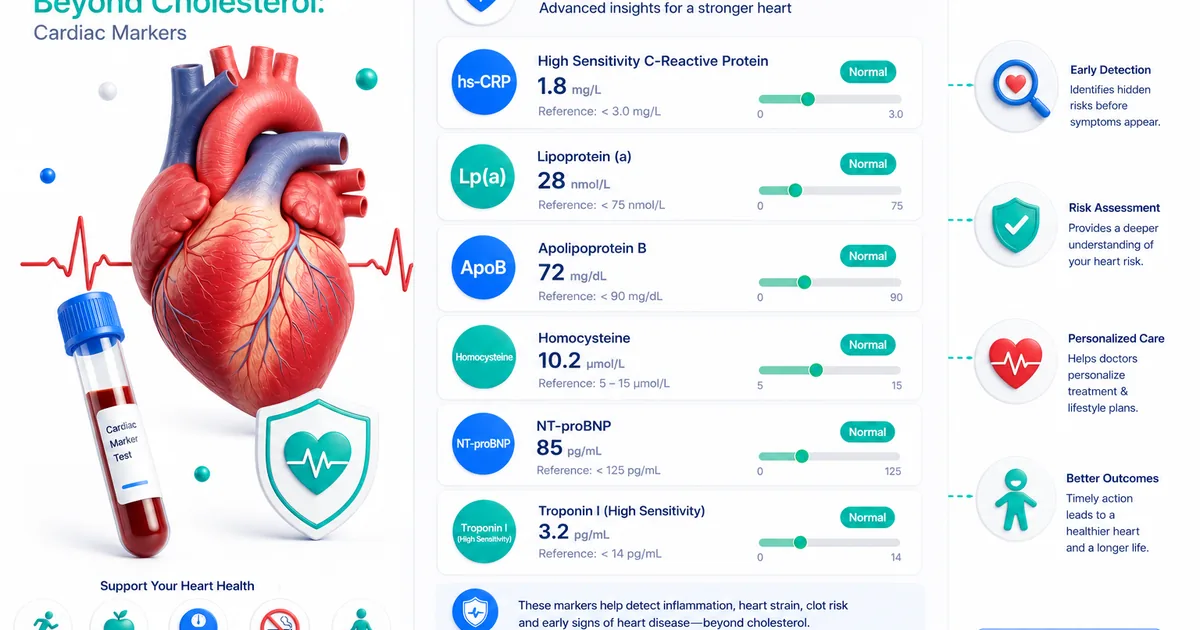
Some reports show hs-CRP, a more precise test used mainly for heart disease risk, not acute infection:
| hs-CRP | Cardiovascular Risk |
|---|---|
| Below 1 mg/L | Low risk |
| 1–3 mg/L | Average risk |
| Above 3 mg/L | High risk |
A slightly elevated hs-CRP without infection can reflect obesity, smoking, poor sleep, gum disease, or chronic low-grade inflammation — all relevant in India where heart disease is rising in younger adults.
Common Causes of High CRP
Infections
- Bacterial infections (pneumonia, urinary tract infection, typhoid, tuberculosis)
- Viral infections (dengue, COVID-19, influenza) — CRP rises but usually less than in bacterial sepsis
- Dental abscess, skin infections, appendicitis
Autoimmune and inflammatory diseases
- Rheumatoid arthritis, lupus (SLE), inflammatory bowel disease
- Vasculitis, ankylosing spondylitis
Other causes
- Recent surgery or injury
- Obesity (chronic low-grade elevation)
- Certain cancers
- Burns, pancreatitis, heart attack (myocardial infarction)
What Low CRP Means
CRP is rarely "too low." A very low CRP in someone who is seriously ill may suggest a weakened immune response. Otherwise, low CRP is generally reassuring.
ESR (Erythrocyte Sedimentation Rate) — Explained
What ESR Measures
ESR does not measure a specific protein. It measures how quickly red blood cells fall in a vertical tube over 60 minutes. Inflammation increases fibrinogen and immunoglobulins, which make RBCs stick together and sink faster — so higher ESR = more inflammation.
Normal ESR Ranges (India)
| Group | Normal ESR |
|---|---|
| Men | 0–15 mm/hr |
| Women | 0–20 mm/hr |
| Elderly | Slightly higher may be acceptable |
| Children | Varies by age — paediatric ranges differ |
ESR naturally runs higher in women, during pregnancy, and with anaemia — even without serious disease.
Common Causes of High ESR
- Chronic infections: tuberculosis (TB) — ESR is classically very high and slow to normalise
- Autoimmune diseases: rheumatoid arthritis, lupus, polymyalgia rheumatica
- Chronic kidney disease, liver disease
- Anaemia (especially iron deficiency) — can raise ESR independently of inflammation
- Pregnancy, old age, obesity
- Multiple myeloma and some cancers
Limitations of ESR
ESR is a non-specific test. A high ESR tells you something may be going on — but not what. It is also affected by:
- Anaemia — falsely elevates ESR
- Kidney disease — can alter results
- Age and sex — women have higher baseline ESR
- Medications — statins may lower ESR slightly
Because of this, ESR alone is rarely enough for diagnosis. Doctors combine it with symptoms, examination, CRP, and other tests.
CRP vs ESR: When Doctors Use Which
| Feature | CRP | ESR |
|---|---|---|
| Speed of rise | Fast (hours) | Slow (days) |
| Speed of fall | Fast (days) | Slow (weeks) |
| Best for | Acute infection, post-surgery monitoring | Chronic inflammation, TB, autoimmune tracking |
| Affected by anaemia | No | Yes (falsely high) |
| Heart risk screening | Yes (hs-CRP) | No |
| Cost | Slightly higher | Cheaper |
Typical clinical scenarios in India:
- Fever for 3 days — CRP helps distinguish bacterial vs viral patterns; ESR may still be normal early on
- Joint pain and morning stiffness — Both elevated → think rheumatoid arthritis; refer to rheumatologist
- Suspected TB — ESR often very high; CRP may also be raised
- After antibiotic course — Falling CRP suggests treatment is working
- Routine health checkup — Mildly elevated hs-CRP may prompt lifestyle advice for heart risk
Reading Your Report: Step-by-Step
Step 1: Check the Units
CRP in mg/L vs mg/dL changes the number by 10×. ESR is almost always in mm/hr (millimetres per hour).
Step 2: Compare to Reference Range on Your Lab Slip
Indian labs use slightly different ranges. Always read the reference interval printed on your report — not a generic chart from the internet.
Step 3: Look at the Clinical Picture
| Your situation | What elevated markers might mean |
|---|---|
| Fever + cough + high CRP | Bacterial pneumonia possible — antibiotics may be needed |
| Fever + body ache + normal/low CRP | Possible viral illness — dengue, flu |
| Joint swelling + high CRP + high ESR | Inflammatory arthritis — specialist evaluation |
| No symptoms + mildly high hs-CRP | Cardiovascular risk factor — diet, exercise, weight |
| Weight loss + night sweats + very high ESR | TB or other chronic infection — urgent workup |
Step 4: Retest If Unclear
A single mildly elevated value in a healthy person may be meaningless. Repeat testing in 2–4 weeks, or after treating an obvious infection, often clarifies things.
Conditions Where CRP and ESR Matter Most
Rheumatoid Arthritis
Both markers track disease activity. Falling CRP/ESR after starting methotrexate or biologics suggests treatment success. Persistently high levels despite treatment may mean inadequate control.
Tuberculosis (TB)
ESR is traditionally very high in active TB — often 60–100+ mm/hr. CRP is also elevated. Normal inflammatory markers do not rule out TB (especially in HIV or malnutrition), but very high ESR supports the diagnosis alongside chest X-ray, GeneXpert, and sputum tests.
Dengue and Viral Fevers
In dengue, CRP may be mildly to moderately elevated. Platelet count (from your CBC report) is often more critical than CRP for monitoring severity. Do not use CRP alone to assess dengue risk.
Heart Disease Risk
hs-CRP above 3 mg/L in someone with high cholesterol, diabetes, or hypertension adds to overall cardiovascular risk. Lifestyle changes and sometimes statins are discussed. See our cholesterol guide for full lipid interpretation.
Post-Surgical Monitoring
CRP peaks 48–72 hours after major surgery, then should fall. A rising CRP after day 4–5 suggests infection or complications.
How to Lower CRP Naturally (When Not Due to Active Infection)
If your doctor has ruled out infection and autoimmune disease, these steps may help lower chronic inflammation:
- Lose excess weight — adipose tissue produces inflammatory cytokines
- Exercise regularly — 150 minutes/week of brisk walking reduces hs-CRP
- Improve diet — more vegetables, dal, whole grains; less fried food, refined sugar, and trans fats
- Quit smoking — smoking raises CRP significantly
- Treat gum disease — chronic dental infection maintains low-grade inflammation
- Sleep 7–8 hours — poor sleep elevates inflammatory markers
- Manage stress — chronic stress affects cortisol and inflammation pathways
Never ignore a high CRP with fever. Natural remedies are for chronic low-grade elevation after medical clearance — not for acute illness.
When to Worry — Red Flags
Seek urgent medical care if you have:
- CRP above 100 mg/L with fever, confusion, or low blood pressure
- High CRP/ESR with unexplained weight loss over 5 kg
- Persistent joint pain, rash, and photosensitivity (lupus concern)
- Night sweats for more than 2 weeks with high ESR (TB workup)
- High markers despite completing antibiotics for a known infection
Questions to Ask Your Doctor
- "Is this standard CRP or hs-CRP — and what do my numbers mean for my situation?"
- "Do I need cultures, chest X-ray, or autoimmune tests based on these results?"
- "Should we repeat CRP/ESR in 2 weeks to see the trend?"
- "Could my anaemia be affecting my ESR?"
- "Does this change my heart disease risk or need for a statin?"
How scanura Helps
Upload your blood report to scanura and get:
- Plain-language explanation of CRP, ESR, and related values
- Context based on your other results (CBC, liver, kidney)
- Risk flags when combinations suggest infection or chronic disease
- Doctor questions tailored to your report
Key Takeaways
- CRP rises fast — best for acute infection and tracking quick changes
- ESR rises and falls slowly — useful for chronic conditions like TB and arthritis
- Normal ranges differ — always read your lab's reference interval
- Neither test is diagnostic alone — symptoms and other tests matter
- Anaemia falsely raises ESR — interpret alongside your CBC
- hs-CRP is for heart risk — different from standard CRP for infection
- Retesting trends often matters more than a single number
Special Situations in India
Post-Viral Fatigue After COVID-19 or Dengue
Many Indians report weeks of fatigue after viral illness. Mildly elevated CRP weeks later may reflect ongoing immune activation — but persistent elevation beyond 4–6 weeks warrants investigation for secondary bacterial infection, autoimmune triggers, or unrelated conditions. Do not assume "long post-viral" without medical review.
Before Starting Biologics or Major Surgery
Rheumatologists often require baseline CRP/ESR and sometimes demand controlled inflammation before elective joint replacement or starting TNF inhibitors. Active infection with high CRP is a contraindication to immunosuppression — treating the infection first is mandatory.
Insurance and Health Checkup Packages
Corporate panels frequently include CRP without context. A value of 3–8 mg/L in an otherwise healthy 35-year-old after a recent cold may be irrelevant. Ask whether repeat testing is needed before accepting unnecessary antibiotics or specialist referrals.
Disclaimer: This article is for educational purposes only. scanura does not provide medical diagnosis. Always consult your doctor for interpretation of CRP, ESR, and treatment decisions.
Medical References
Step-by-Step Guide
- 1
Check which CRP test was done
Standard CRP detects infection/inflammation. hs-CRP measures cardiovascular risk at lower levels. Read the unit (mg/L vs mg/dL) on your report.
- 2
Compare to your lab reference range
Standard CRP below 10 mg/L is usually normal. ESR: men 0–15 mm/hr, women 0–20 mm/hr. Use the range printed on your slip.
- 3
Match with symptoms
Fever + high CRP suggests infection. Joint pain + high CRP and ESR suggests inflammatory arthritis. No symptoms + mild hs-CRP may reflect heart risk factors.
- 4
Repeat if borderline
A single mild elevation in a well person may be meaningless. Repeat in 2–4 weeks or after treating an obvious infection.
- 5
Get targeted tests
Your doctor may order cultures, chest X-ray, autoimmune panel, or TB workup based on CRP/ESR pattern.
- 6
Track the trend
Falling CRP after antibiotics confirms response. Rising ESR despite treatment needs re-evaluation.
📬 One health report guide, every week
Normal ranges, what your values mean, and what to ask your doctor — in plain language. Free, unsubscribe anytime.