🥦What Vegetables Are Safe From Cyclospora? Cooked, Peeled & Lower-Risk Picks
No raw vegetable is guaranteed Cyclospora-free. Cooking kills the parasite — and peeled produce is lower risk. Here's what to favor, what past outbreaks linked, and how to shop smarter.
Scanura Editorial
Health Education Team
Written by Scanura Editorial for health education. This article is not a substitute for advice from a qualified doctor. About our editorial standards
What Vegetables Are Safe From Cyclospora?
Honest answer first: no raw vegetable is guaranteed Cyclospora-free. The parasite can contaminate produce through dirty irrigation water or handling — and washing helps but does not wipe out every oocyst, especially on leafy greens and herbs.
What is safer:
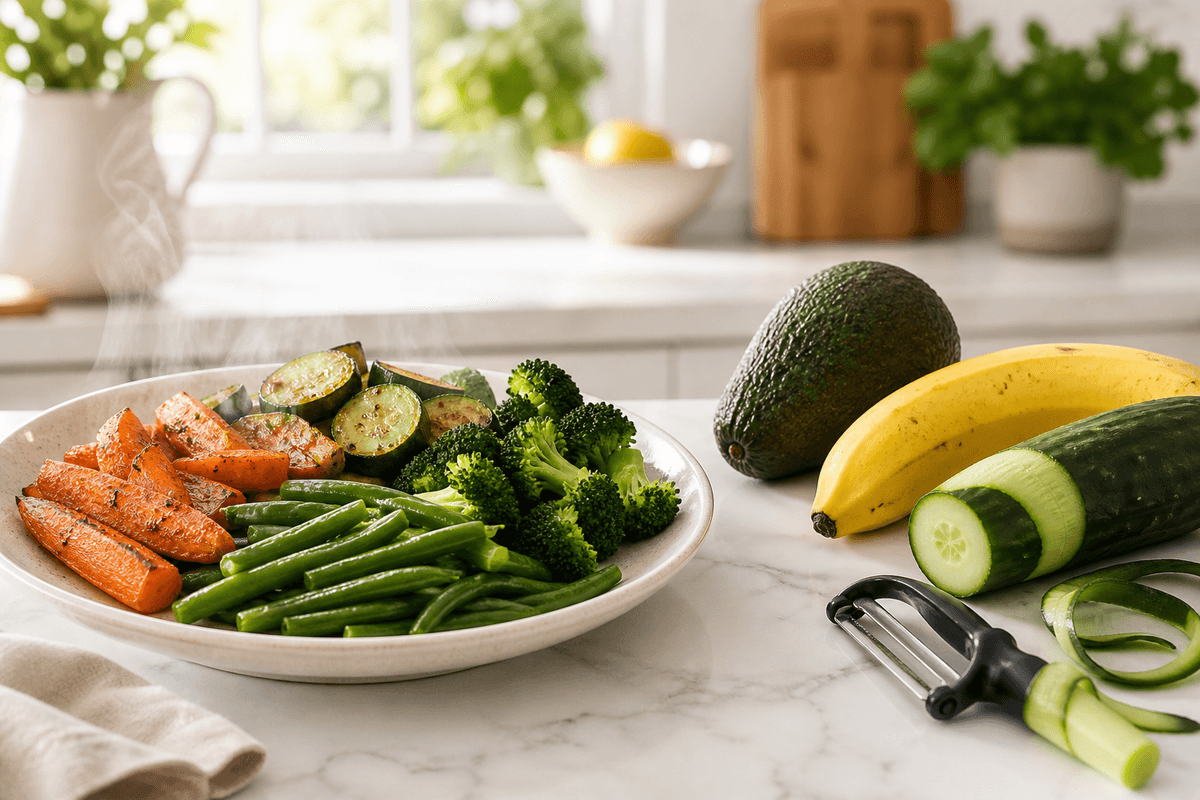
- Cooked vegetables — heat kills Cyclospora
- Produce you wash, then peel — lower surface risk
- Foods not historically linked to outbreaks — still not zero risk, but usually lower concern than salad mixes during a cluster
This guide explains safer picks, higher-risk foods from past (and current) outbreaks, and practical shopping tips. For outbreak context, see Cyclospora Outbreak 2026. For symptoms and testing, see Cyclospora Infection Explained.
The Safest Category: Cooked Vegetables
Cooking is the most reliable kitchen defense. Thorough heat inactivates Cyclospora oocysts. When cases are surging and no specific product is recalled yet, favor vegetables that are:
- Steamed
- Boiled
- Roasted / baked
- Sautéed / stir-fried
- Souped or curried
Lower-risk cooked choices (examples)
| Vegetable | Tip |
|---|---|
| Green beans | Cook until hot throughout |
| Broccoli / cauliflower | Steam or roast fully |
| Carrots | Cooked or peeled after washing |
| Zucchini / squash | Sauté or roast |
| Potatoes / sweet potatoes | Always cook; peel after washing if desired |
| Cooked spinach / greens | Heat is what matters — raw baby spinach in salads is different |
| Peas (cooked) | Note: raw snow/snap peas have been linked to past outbreaks |
If it reaches a hot, fully cooked temperature all the way through, risk drops sharply compared with the same item eaten raw.
Next-Best: Wash, Then Peel
Cyclospora sits on surfaces. Foods with a removable outer layer are generally lower risk when you:
- Wash under clean running water
- Peel with a clean peeler/knife
- Avoid transferring peel dirt onto the flesh
Good peel-and-eat options
| Item | Why lower risk |
|---|---|
| Banana | Thick peel discarded |
| Avocado | Outer skin removed |
| Citrus (orange, mandarin) | Peel discarded |
| Cucumber | Peel after washing (or cook) |
| Carrot | Peel after washing |
| Melon | Scrub rind before cutting, then discard rind |
Experts also note that smoother surfaces (like blueberries) tend to hold oocysts less stubbornly than fuzzy/textured ones (like raspberries) — but washing still matters, and nothing raw is risk-free.
Higher-Risk Foods (Extra Caution)
These are not banned forever — they are foods repeatedly linked to US cyclosporiasis outbreaks, so they deserve more caution during summer clusters:
| Food | Why it shows up in outbreaks |
|---|---|
| Lettuce / salad greens / bagged salad kits | Eaten raw; hard to clean; often mixed lots. Leading suspicion in the 2026 multi-state rise |
| Cilantro | Leafy herb; oocysts can cling to fine structures |
| Basil | Same — raw garnish risk |
| Raspberries | Rough surface; hard to rinse thoroughly |
| Snow peas / snap peas (eaten raw) | Past outbreak vehicle |
| Green onions / scallions | Past links; layers trap debris |
| Pre-cut fruit/veg trays & coleslaw mixes | Extra handling + raw consumption |
2026 note: Investigators have pointed toward lettuce or salad greens in large state clusters, but no single brand/grower was confirmed in early public updates. Until a recall names a product, treat raw leafy salads as higher caution — not as proof every leaf is contaminated.
Practical Shopping Rules During an Outbreak
Prefer
- Whole heads of lettuce over pre-cut / bagged kits (less handling)
- Outer leaves discarded; inner leaves rinsed under running water
- Cooked vegetable sides instead of raw salad bars
- Fruits/veg you can peel after washing
- Home-cooked meals where you control heat and hygiene
Limit or skip (especially if high-risk)
- Restaurant salad bars and bagged salad kits
- Raw herb garnishes (cilantro, basil) when source is unclear
- Raw raspberries and raw snow/snap peas during active clusters
- Anything named in an FDA/CDC/state recall
Washing — what actually helps
- Rinse under running water
- Rub firm produce; separate herb leaves while rinsing
- Cut away bruised/damaged areas
- Refrigerate cut produce promptly
Do not rely on:
- "Pre-washed" labels as a guarantee
- Vinegar soaks or commercial washes as complete kill steps
- Alcohol hand sanitizer for Cyclospora on hands — soap and water is better for hand hygiene after handling produce
Washing reduces risk. It does not equal sterilization.
Quick Reference: Safer vs Riskier Right Now
| Safer direction | Riskier direction |
|---|---|
| Cooked veggies | Raw salad mixes |
| Peeled produce | Raw cilantro / basil garnish |
| Whole-head lettuce, outer leaves removed | Bagged kits / pre-cut greens |
| Cooked berries in jam/pie | Raw raspberries |
| Scrubbed-then-peeled melon | Unwashed rind cut into fruit |
If You Already Ate a Salad and Feel Sick
Cyclospora symptoms usually start about a week after exposure (range ~2–14 days): watery diarrhea, cramps, bloating, unusual fatigue. Illness can last weeks and relapse.
- See a clinician if watery diarrhea lasts more than a few days
- Ask for Cyclospora-specific stool PCR or special stain
- Read stool-appearance clues: What Does Cyclospora Poop Look Like?
How scanura Helps
If dehydration leads to blood work (electrolytes, kidney function, CBC), upload the report to scanura for a plain-language explanation while your stool test is pending — then follow your doctor's plan for the infection itself.
Key Takeaways
- No raw vegetable is 100% "safe" from Cyclospora.
- Cooking is the strongest protection — thoroughly heated vegetables are the safest category.
- Wash, then peel lowers risk for bananas, avocados, cucumbers, carrots, citrus, and similar foods.
- Highest caution foods: lettuce/salad mixes, cilantro, basil, raspberries, raw snow peas, green onions.
- Washing helps but does not eliminate every oocyst on leafy greens.
- Prefer whole heads over bagged kits; discard outer leaves.
- Follow official recalls the moment a specific product is named.
- Prolonged watery diarrhea after produce → ask for Cyclospora testing.
Disclaimer: This article is for educational purposes only and reflects general food-safety guidance plus publicly discussed outbreak patterns as of mid-July 2026. Contaminated vehicles change as investigations continue. scanura does not provide medical diagnosis. Always follow official recall notices and consult a clinician for illness.
Medical References
Step-by-Step Guide
- 1
Prefer cooked vegetables
Heat is the most reliable way to kill Cyclospora. Choose roasted, steamed, sautéed, or boiled veggies when outbreak risk is high.
- 2
Peel after washing
Wash first, then peel items like cucumbers, carrots, avocados, or bananas so surface contamination is less likely to transfer.
- 3
Be cautious with raw leafy greens
Past and current clusters often involve lettuce or salad mixes. Prefer whole heads over bagged kits; discard outer leaves and rinse well.
- 4
Watch historically linked foods
Extra caution with cilantro, basil, raspberries, snow peas, green onions, and pre-cut salad mixes until a specific recall is named.
- 5
Wash under running water
Rinse produce under clean running water. Do not rely on vinegar soaks or 'pre-washed' labels as complete protection.
- 6
Follow official recalls
Check FDA/CDC/state health notices. Avoid any named product immediately if a recall is announced.
📬 One health report guide, every week
Normal ranges, what your values mean, and what to ask your doctor — in plain language. Free, unsubscribe anytime.